
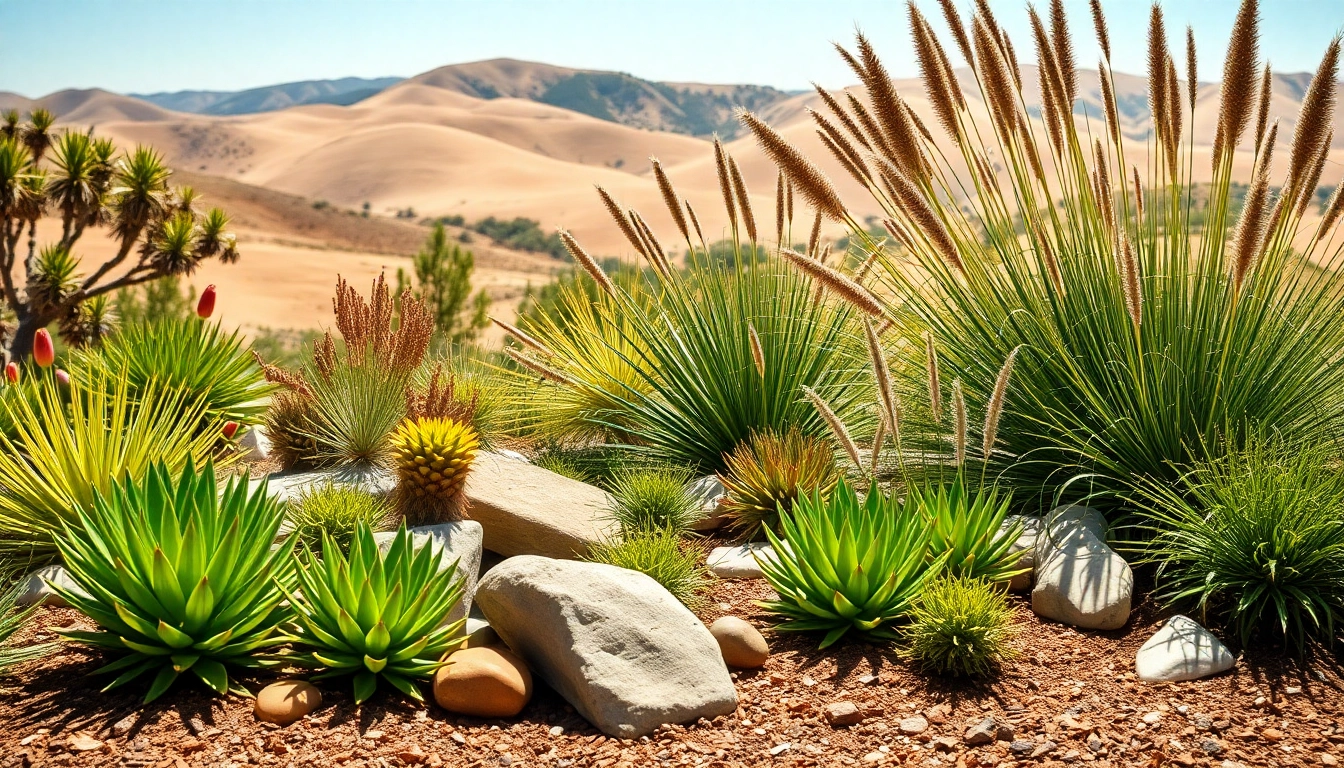
Understanding Drought-tolerant Landscaping
What is Drought-tolerant Landscaping?
Drought-tolerant landscaping refers to gardening techniques and designs that minimize water usage while maintaining a visually appealing outdoor space. This approach not only conserves water but also supports local ecosystems by promoting native plant species. For regions like the Bay Area, where water scarcity can be a pressing concern, adopting Drought-tolerant landscaping Bay Area principles is essential for sustainable gardening and responsible resource management.
Benefits of Drought-tolerant Landscaping Bay Area
The benefits of drought-tolerant landscaping extend beyond just water savings. Here are some significant advantages:
- Water Conservation: By using plants that require less water, homeowners can significantly reduce their overall water consumption, contributing to sustainability efforts in the region.
- Lower Maintenance Costs: These gardens typically require less upkeep, including fewer fertilizers, pesticides, and frequent watering, resulting in cost savings over time.
- Enhanced Biodiversity: Drought-tolerant landscapes can support local wildlife, including birds, bees, and beneficial insects, creating a healthier environment.
- Increased Property Value: Well-designed drought-tolerant gardens can enhance property aesthetics and potentially increase home value, appealing to environmentally-conscious buyers.
- Climate Adaptability: These gardens thrive in various climatic conditions, making them resilient to drought spells and other environmental changes.
Types of Drought-tolerant Plants Suitable for the Bay Area
Selecting the right plants is crucial to successful drought-tolerant landscaping. Here are some popular types suitable for the Bay Area:
- California Poppy (Eschscholzia californica): The state flower and hardy perennial that thrives in various soil types.
- Lavender (Lavandula): Known for its fragrant blooms, lavender requires minimal water once established and attracts pollinators.
- Salvia (Salvia spp.): These hardy flowers add vibrant colors and are drought-resistant, thriving in sunny spots.
- Manzanita (Arctostaphylos): An evergreen shrub with unique bark and attractive foliage, it is especially suited to dry landscapes.
- Yarrow (Achillea millefolium): This perennial herb is resilient and beneficial for local pollinators.
Designing Your Drought-tolerant Garden
Essential Design Principles for Sustainable Landscapes
When designing a drought-tolerant garden, consider these fundamental principles:
- Right Plant, Right Place: Understanding the light, soil, and moisture requirements of plants will lead to better growth and longevity.
- Layering Plants: Use a mixture of heights and textures by layering plants which enhances aesthetics and creates natural habitats.
- Efficient Irrigation: Implement drip irrigation or rainwater harvesting systems to improve water efficiency.
- Mulching: Use organic mulch to reduce evaporation, suppress weeds, and improve soil health.
- Focus on Hardscaping: Consider pathways, patios, and decorative rocks that complement and enhance the garden’s design while reducing erosion and runoff.
Creating Functional Spaces in Your Bay Area Garden
Incorporating functional spaces into your garden design can enhance its overall usability and enjoyment:
- Seating Areas: Create inviting seating areas with benches or patio sets surrounded by beautiful plants.
- Outdoor Kitchens: Designs that include cooking spaces encourage outdoor entertaining while integrating the landscape.
- Child-Friendly Features: Consider spaces for play areas that utilize soft plants and safe materials.
- Wildlife Gardens: Incorporate elements that attract birds and pollinators, such as nectar-rich flowers and bird feeders.
Integrating Water-saving Techniques
To further enhance your drought-tolerant garden, incorporate water-saving techniques:
- Rain Gardens: Designed to capture runoff from roofs and driveways, rain gardens filter and absorb rainwater while providing lush plant habitats.
- Xeriscaping: This method focuses on creating a landscape that requires minimal irrigation by using drought-resistant plants and appropriate land design.
- Soil Improvement: Improve soil drainage and water retention with organic compost, which helps plants thrive with less water.
- Rain Barrels: Collect rainwater from downspouts to use as irrigation improves water conservation.
Common Challenges and Solutions
Pest Management in Drought-tolerant Landscapes
While drought-tolerant gardens can minimize pest issues, challenges can still arise. Implement integrated pest management (IPM) strategies that include:
- Beneficial Insects: Attract ladybugs and lacewings, which help control aphid populations.
- Natural Predators: Allow natural predator populations to thrive, creating a balanced ecosystem in the garden.
- Regular Monitoring: Check plants frequently for signs of pests and intervene early with organic solutions.
Overcoming Soil Issues in the Bay Area
Bay Area soils can vary, presenting challenges for plant growth. Address these common soil issues:
- Clay Soil: Mix organic matter into clay soils to improve drainage and make it easier for plant roots to access nutrients.
- Compacted Soil: Aerate compacted soils to improve water penetration and root growth.
- Nutrient Deficiency: Conduct soil tests to determine nutrient levels and amend with appropriate fertilizers.
Seasonal Maintenance Tips for Sustainable Gardens
Maintaining a drought-tolerant garden through the seasons involves specific tasks:
- Spring: Focus on planting new arrivals and applying mulch to suppress weeds and retain moisture.
- Summer: Monitor watering schedules, and use shade cloth for sensitive plants during extreme heat.
- Fall: Time for pruning spent blooms, preparing the garden to withstand winter weather.
- Winter: Mulch deeply to protect soil and roots, and monitor for weeds that may sprout during the mild weather.
Examples of Successful Drought-tolerant Landscapes
Community Gardens Showcasing Drought-tolerance
Across the Bay Area, numerous community gardens exemplify effective drought-tolerant landscaping. These gardens not only provide food but also educate the community on sustainable practices. Locations often utilize native plants and employ water-efficient irrigation methods, demonstrating how even small spaces can thrive without excessive water use.
Residential Case Studies in the Bay Area
Homeowners throughout the Bay Area have embraced drought-tolerant landscaping, showcasing the benefits through various transformations. For instance, a typical lawn can be converted into a vibrant native plant garden. These residential projects include rock gardens, native flower beds, and edible landscapes, collectively reducing water usage while enhancing property curb appeal.
Inspiration from Local Plant Nurseries
Local nurseries in the Bay Area offer diverse selections of drought-tolerant plants along with design inspiration. Many provide workshops and resources that aid gardeners in selecting appropriate plants and crafting designs that align with sustainable practices. Engaging with these nurseries connects homeowners to a wealth of information, making the journey into drought-tolerant landscaping more achievable.
FAQs about Drought-tolerant Landscaping Bay Area
How much does drought-tolerant landscaping cost?
The cost can vary widely, typically ranging from $10 to $50 per square foot, depending on the plants, design complexity, and installation needs. While initial costs may seem high, long-term savings on water bills and maintenance make it a worthwhile investment.
Can I combine drought-tolerant plants with traditional gardens?
Absolutely! Many homeowners successfully integrate drought-tolerant plants into traditional landscapes, creating hybrid gardens. Balancing plant selections allows for diverse aesthetics while still enjoying water-saving benefits.
What is the best time to plant drought-tolerant landscapes?
The best time to plant in the Bay Area is during the fall or early spring when temperatures are mild, allowing plants to establish roots before facing summer heat.
How can I maintain my drought-tolerant garden?
Maintenance includes mulching, seasonal pruning, and regular monitoring for pests and diseases. Watering should be adjusted based on the season to promote deep rooting.
Do drought-tolerant plants require heavy watering?
Typically, drought-tolerant plants need minimal watering once established. Initial watering will be necessary for root establishment, but many can thrive on rainfall alone thereafter.