
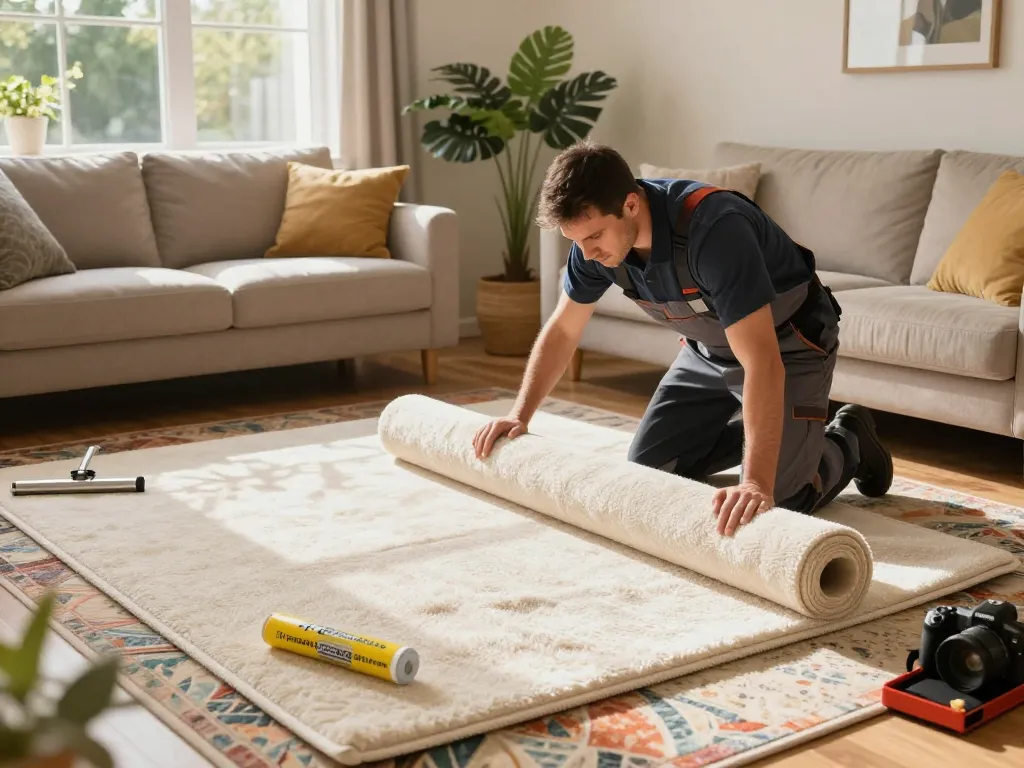
Understanding Residential Carpet Installation
Residential carpet installation is more than just laying down a new floor covering; it’s about enhancing the comfort and aesthetic of your home. With the right carpet, you can significantly change the atmosphere of your living space, making it warmer, more inviting, and stylish. This guide will explore the various aspects of residential carpet installation, including the benefits of professional services, how to choose the right carpet, and tips for ensuring a successful installation.
What is Residential Carpet Installation?
Residential carpet installation involves the process of fitting a carpet within a home. This can include everything from measuring the space to customizing the carpet to fit perfectly in designated areas. Professional installers are equipped with the skills and tools needed to ensure that the installation is done correctly, leading to a hassle-free experience for homeowners. When exploring options, Residential carpet installation provides comprehensive insights into achieving the best results for your home.
Benefits of Professional Carpet Installation
Hiring professionals for carpet installation brings a myriad of benefits. Here are some key advantages:
- Expertise: Professionals have extensive knowledge of different carpet types and installation techniques.
- Efficiency: Experienced installers can complete the job quickly and accurately, saving you time.
- Quality Assurance: Professional installation typically comes with warranties, ensuring that any issues can be addressed post-installation.
- Proper Tools: Professionals come equipped with specialized tools that may not be readily available to the average homeowner.
Common Misconceptions About Carpet Installation
There are several misconceptions surrounding carpet installation that can discourage homeowners from pursuing it:
- DIY is always cheaper: While DIY may seem cost-effective, mistakes can lead to higher expenses down the line.
- All carpets are the same: Different carpet types require different installation techniques; understanding this can affect the longevity and appearance of the carpet.
- Installation is quick and easy: Proper carpet installation involves meticulous planning and effort.
Choosing the Right Carpet for Your Home
Choosing the right carpet is essential to ensuring your home feels inviting and looks stylish. With numerous options available on the market, understanding your choices is the first step.
Types of Carpets: Finding the Perfect Match
There are various types of carpets, each with distinct characteristics:
- Berber: Known for its durability and resistance to stains, Berber carpet is an excellent choice for high-traffic areas.
- Plush: Soft and luxurious, plush carpets add a cozy feel but may require more maintenance.
- Frieze: This type features long fibers that create a shaggy appearance and is great for hiding footprints.
- Cut Pile: Available in various styles, cut pile carpets offer comfort and are popular in residential settings.
Factors to Consider When Selecting Carpet
When choosing a carpet, consider the following factors:
- Room Usage: Consider how often the space will be used and choose a carpet that bears up to the wear.
- Allergies: Some carpets trap dust and allergens; look for hypoallergenic options if this is a concern.
- Budget: Determine how much you are willing to spend not just on the carpet itself but also on installation.
Environmental Impact of Carpet Choices
It’s essential to consider the environmental impact of your carpet choices. Opting for sustainable materials can help reduce your carbon footprint. Look for carpets made from recycled materials or those certified by organizations such as Green Label Plus, which indicates low chemical emissions.
Preparing for Carpet Installation
Preparation is key to a successful carpet installation. Here are some essential steps to follow:
How to Measure Your Space Correctly
Accurate measurements are vital to avoid purchasing too little or too much carpet. Measure the length and width of each room and multiply these numbers to find the square footage. Account for any irregularities or features like stairs and closets.
Preparing Your Home for Installation Day
Before the installation crew arrives, make sure to clear the space of furniture and any obstacles. This will help the installation process go smoothly and quickly. Additionally, ensure that the subfloor is clean and dry, as this will impact the installation quality.
Understanding Installation Costs and Budgeting
Carpet installation costs can vary widely based on factors such as carpet type, room dimensions, and labor costs. Generally, you should budget for up to $4-$6 per square foot for both carpet and installation. Always ask for detailed quotes and ensure there are no hidden fees.
The Installation Process Explained
The installation process is methodical and should be approached with care. Below are the typical steps involved:
Step-by-Step Guide to Carpet Installation
- Remove Old Flooring: If necessary, the old carpet or flooring will need to be removed and disposed of properly.
- Prepare the Subfloor: Ensure the subfloor is even and clean for optimal adhesion.
- Install Carpet Padding: Padding provides cushioning and helps prolong carpet life.
- Lay Down the Carpet: Begin at the farthest corner of the room and work your way out, ensuring tight seams.
- Trim Excess: Once installed, trim any excess carpet along the walls and install any necessary thresholds.
- Final Inspection: Review the installation for quality and make any necessary adjustments.
Tools and Equipment Used in Residential Installations
Professional installers typically utilize specialized tools, including:
- Carpet stretcher
- Utility knife
- Seam roller
- Staplers and tack strips
- Measuring tape and chalk line
What to Expect on Installation Day
On installation day, you can expect the installation crew to arrive early and ready to work. They will assess the site, review the layout, and then begin the preparation process. The team should also communicate with you about the schedule and any potential disruptions.
Post-Installation Care and Maintenance
Once your carpet is installed, maintaining it properly is crucial for its longevity. Here are some tips to keep your carpet looking fresh:
Tips for Maintaining Your New Carpet
To maintain your new carpet, consider the following:
- Regular Cleaning: Vacuum weekly to remove dirt and debris.
- Professional Cleaning: Schedule a professional cleaning every 12-18 months to keep carpets looking like new.
- Protect High-Traffic Areas: Use rugs or runners in high-traffic areas to minimize wear.
Common Issues and How to Address Them
Even with good maintenance, issues may arise. Common problems include stains, fading, and matting. For stains, address them immediately with the appropriate cleaning solution. For fading, consider using curtains or blinds to reduce sunlight exposure. In case of matting, professional cleaning can help restore the nap of the carpet.
Future Trends in Carpet Care Products
As technology advances, so do carpet care products. Expect to see more eco-friendly, biodegradable cleaning solutions that are safe for your family and pets. Additionally, advancements in stain-resistant technologies will continue to improve the longevity of carpets.
What Are the Advantages of Hiring Professionals?
Hiring professionals for carpet installation means you benefit from their experience, knowledge, and the guarantee of quality workmanship. This expertise can save you money in the long run by avoiding costly mistakes and ensuring that your carpet looks great and lasts longer.
How Long Does Carpet Installation Usually Take?
On average, installing carpet in an entire home can take anywhere from one to three days, depending on the size of the property and complexity of the installation. Smaller rooms may be completed in a matter of hours.
Can I Install Carpet Myself?
While DIY carpet installation is possible, it is recommended only for those with experience. Mistakes in measurement, cutting, or fitting can lead to significant issues and additional costs. If you have the skills and tools, it may be an option; otherwise, hiring professionals is wise.
What Are the Costs Associated With Carpet Installation?
The costs associated with carpet installation typically include the price of the carpet itself, padding, removal of old flooring, and labor. On average, homeowners can expect to spend between $3,000 to $4,500 for a moderate-sized home, but this will vary greatly depending on material choices and local labor rates.