
Introduction to American Standard Furnace
When the cold months arrive, ensuring your home stays warm and comfortable is a top priority. One reliable option that many homeowners consider is the american standard furnace. Known for their quality and longevity, these furnaces are designed to meet a wide array of heating needs. In this article, we’ll delve into the specifics of American Standard furnaces, their key features, benefits, various types, installation considerations, troubleshooting tips, and much more.
What Is an American Standard Furnace?
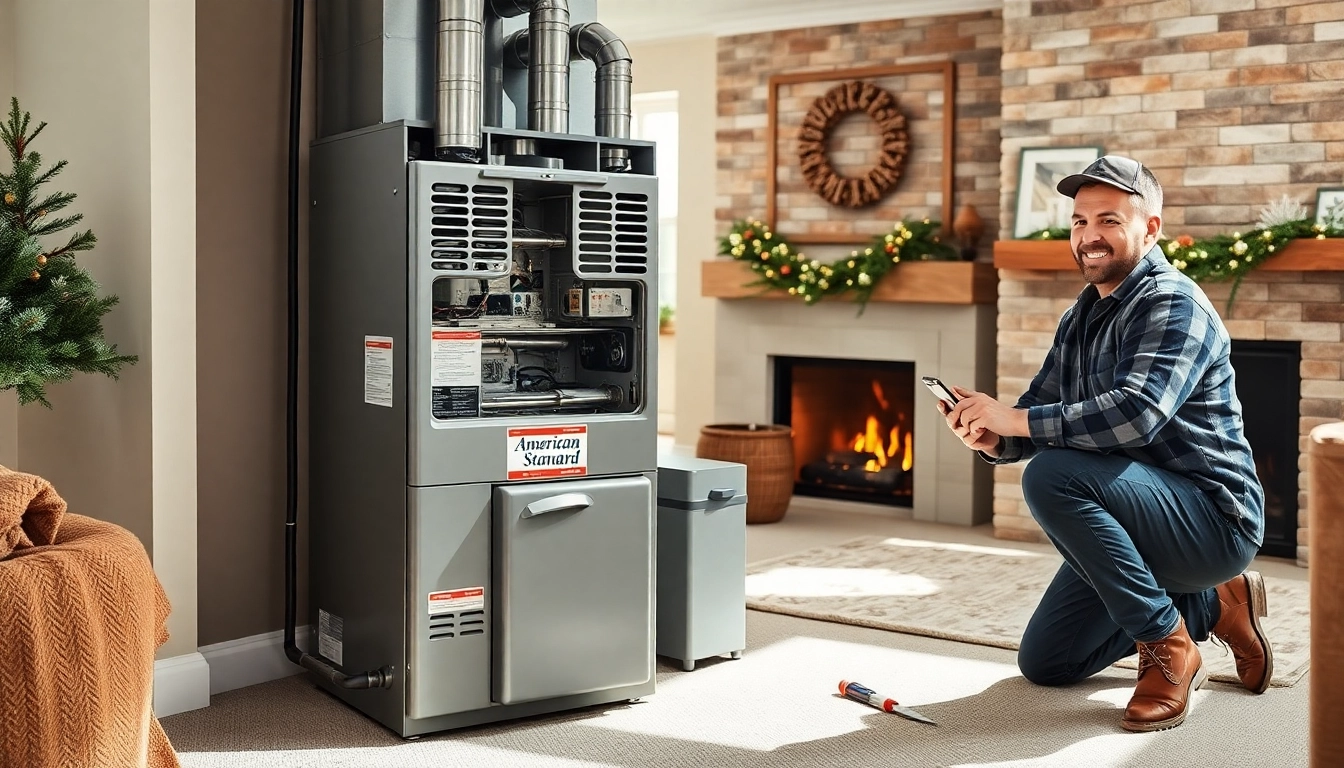
An American Standard furnace is a type of heating system primarily used in residential settings, utilizing either natural gas or electricity to generate heat. These furnaces are engineered with advanced technologies to deliver efficient heating solutions, boasting impressive energy efficiency ratings and reliable performance. American Standard has established a solid reputation in the HVAC industry, emphasizing durability and high standards in their product offerings.
Key Features of American Standard Furnace
American Standard furnaces are packed with features that enhance performance and convenience:
- Energy Efficiency: Many models offer energy efficiency ratings from 80% to over 97%, translating to lower utility bills.
- Quiet Operation: Designed with sound insulation, these furnaces operate quietly, minimizing disruption in your home.
- Advanced Controls: Equipped with smart thermostats and compatibility with home automation systems for greater control.
- High Durability: Built with robust materials to withstand the test of time, often featuring warranties that reflect their longevity.
Benefits of Choosing American Standard Furnace
Investing in an American Standard furnace comes with several notable benefits:
- Reliability: Users can depend on these furnaces for consistent heating throughout the winter months.
- Comfort: They provide even warmth and can maintain comfortable room temperatures effectively.
- Cost-Effective: Energy-efficient models help reduce heating costs over time, contributing to savings.
- Excellent Warranty: Many products come with extensive warranties, ensuring peace of mind for homeowners.
Types of American Standard Furnaces
Gas vs. Electric Furnaces
When choosing an American Standard furnace, you will primarily encounter two fuel types: gas and electric. Gas furnaces are generally more efficient and have lower operating costs due to the affordability of natural gas compared to electricity. They produce heat via combustion, distributing warmth through ductwork. On the other hand, electric furnaces use electrical resistance to generate heat. These units tend to have lower upfront costs but higher operational expenses, making them better suited for milder climates.
Energy Efficiency Ratings Explained
Energy efficiency is key when it comes to selecting a furnace. The Efficiency Rating (AFUE) measures how efficiently a furnace converts fuel into heat. An AFUE of 90% means that 90% of the fuel is converted to heat while only 10% is wasted. American Standard offers furnaces with a range of AFUE ratings, allowing homeowners to choose models that align with their energy-saving goals.
Choosing the Right Model for Your Home
Before purchasing an American Standard furnace, consider factors such as the size of your home, existing ductwork, and your heating needs. Conducting a load calculation helps determine the appropriate furnace size. Additionally, evaluating the options available in terms of efficiency can guide you toward the best model for your specific circumstances.
Installation Considerations for American Standard Furnace
Professional vs. DIY Installation
While some homeowners may consider installing a furnace themselves, it is generally advisable to opt for professional installation. Incorrect installation can lead to poor performance, decreased efficiency, and potential safety hazards. Professionals will ensure that the furnace is installed in compliance with local codes and standards, and they can also offer insights into optimal placement for performance.
Placement and Ventilation Requirements
Proper placement is critical for an American Standard furnace to operate efficiently. Factors like proximity to existing ductwork, clearance requirements, and ventilation for combustion gases play essential roles. Gas furnaces require venting systems to safely expel combustion gases outside. Make sure the installation team follows guidelines set forth by the manufacturer and local regulations.
Cost of Installation and Maintenance
The cost of installing an American Standard furnace varies based on several factors, including labor, materials, and the complexity of the installation. On average, installation costs can range from $1,500 to $4,200 depending on the specifics of the installation. Routine maintenance is also necessary to keep the furnace running efficiently, generally involving filter changes and inspections that can average around $100 to $300 annually.
Common Issues and Troubleshooting
Identifying Problems with American Standard Furnace
Throughout the lifespan of an American Standard furnace, homeowners may encounter issues such as inadequate heating, strange noises, or frequent cycling. Identifying these problems early can prevent further damage. Keeping an ear out for unusual sounds or monitoring energy bills for unexpected spikes can help troubleshoot potential problems effectively.
Effective Solutions for Common Issues
Some common solutions include:
- Clogged Filters: Regularly change or clean air filters to maintain airflow and efficiency.
- Thermostat Settings: Ensure the thermostat is functioning properly and set to the desired temperature.
- Visible Ductwork Issues: Inspect for leaks or blockages in ductwork that could affect airflow.
When to Call a Professional
If basic troubleshooting does not resolve the issue or if you detect gas leaks, unusual noises, or odor, it’s crucial to contact a qualified technician immediately. Safety should never be compromised, and professionals can address complex problems that require expertise.
Conclusion and Final Recommendations
Summarizing the Value of American Standard Furnace
Overall, American Standard furnaces represent a reliable investment for homeowners looking to secure their comfort during the colder months. Their features, energy efficiency, and durability make them a popular choice. Additionally, understanding how to maintain and troubleshoot these systems enhances the longevity and performance of your investment.
Tips for Longevity and Performance
To maximize the lifespan of your American Standard furnace:
- Schedule regular maintenance checks to keep the system clean and efficient.
- Replace filters according to the recommended schedule.
- Monitor the performance annually to address any concerns promptly.
FAQs About American Standard Furnace
What is the average lifespan of an American Standard furnace?
On average, American Standard furnaces can last between 15 to 20 years with proper maintenance.
How often should I service my furnace?
It is recommended to have your furnace serviced annually to maintain efficiency and safety.
What factors affect the cost of an American Standard furnace?
Factors include the model, installation complexity, local labor rates, and whether existing ductwork needs modification.
Can I install an American Standard furnace myself?
While possible, it is not recommended due to the complexity and need for compliance with safety regulations.
What should I do if my furnace is not heating properly?
Check the thermostat, ensure filters are clean, and inspect for duct leaks. If problems persist, call a professional.