Understanding Mitsubishi Mini Split AC Systems
What is a Mitsubishi Mini Split AC?
The mitsubishi mini split ac is a type of heating and cooling system that operates without ductwork. It consists of two primary components: an outdoor condenser unit and one or more indoor air-handling units. This design allows for efficient temperature regulation in single rooms or multiple zones of a home, making it an ideal solution for both residential and commercial applications.
Mitsubishi mini split systems utilize inverter technology to adjust the cooling or heating output, resulting in lower energy consumption and improved comfort. They are often praised for their quiet operation and compact design, making them suitable for various settings, from homes to offices.
Key Features of Mitsubishi Mini Split AC
- Energy Efficiency: Many models are designed with high SEER (Seasonal Energy Efficiency Ratio) ratings, ensuring reduced energy consumption.
- Inverter Technology: This technology allows for smooth temperature control, maintaining comfort without excessive energy use.
- Zoning Capabilities: Multiple indoor units can operate independently, enabling tailored climate control in different areas of a building.
- Quiet Operation: The outdoor units are designed to minimize noise, creating a comfortable indoor environment.
- Easy Installation: With only a small conduit connecting the indoor and outdoor units, installation is less invasive than traditional HVAC systems.
How Mitsubishi Mini Split AC Differs from Traditional Systems
Unlike traditional centralized systems that rely on ducts to distribute air throughout a space, the mitsubishi mini split ac provides localized heating and cooling. This distinction offers several advantages. For one, the absence of ductwork minimizes energy loss often experienced in traditional systems due to leaks, thus enhancing overall efficiency.
Additionally, mini splits typically feature advanced technology such as variable speed compressors. This means they can adjust the output based on the current demand, operating more efficiently than conventional systems that turn on and off frequently. This results in improved energy savings and more consistent comfort levels.
Benefits of Using Mitsubishi Mini Split AC
Energy Efficiency and Cost Savings
One of the standout features of the mitsubishi mini split ac is its energy efficiency. These systems often have higher SEER ratings compared to traditional units, meaning they consume less electricity for the same cooling or heating output. This efficiency translates into lower energy bills, making it a cost-effective choice in the long run.
Furthermore, by being able to heat or cool specific areas instead of an entire home, users can also benefit from additional savings. For instance, if a homeowner only needs to use the system in the living room during peak hours, they can turn off the air conditioning in other parts of the house, optimizing energy use.
Improved Indoor Air Quality
Mitsubishi mini split systems contribute positively to indoor air quality through advanced filtration systems. Many units are equipped with filters that capture dust, pollen, and other allergens, improving the overall air quality in your home.
Additionally, the ability to manage humidity levels is critical. Humidity can aggravate respiratory issues and other health problems; thus, having a system that can precisely adjust these levels is advantageous. Boreal units help maintain ideal humidity levels, providing fresh, clean air year-round.
Flexible Installation Options
One of the most appealing aspects of a mitsubishi mini split ac is the flexibility in installation. With no requirement for extensive ductwork, these systems can be installed in various locations, including homes without existing duct systems or spaces requiring retrofitting.
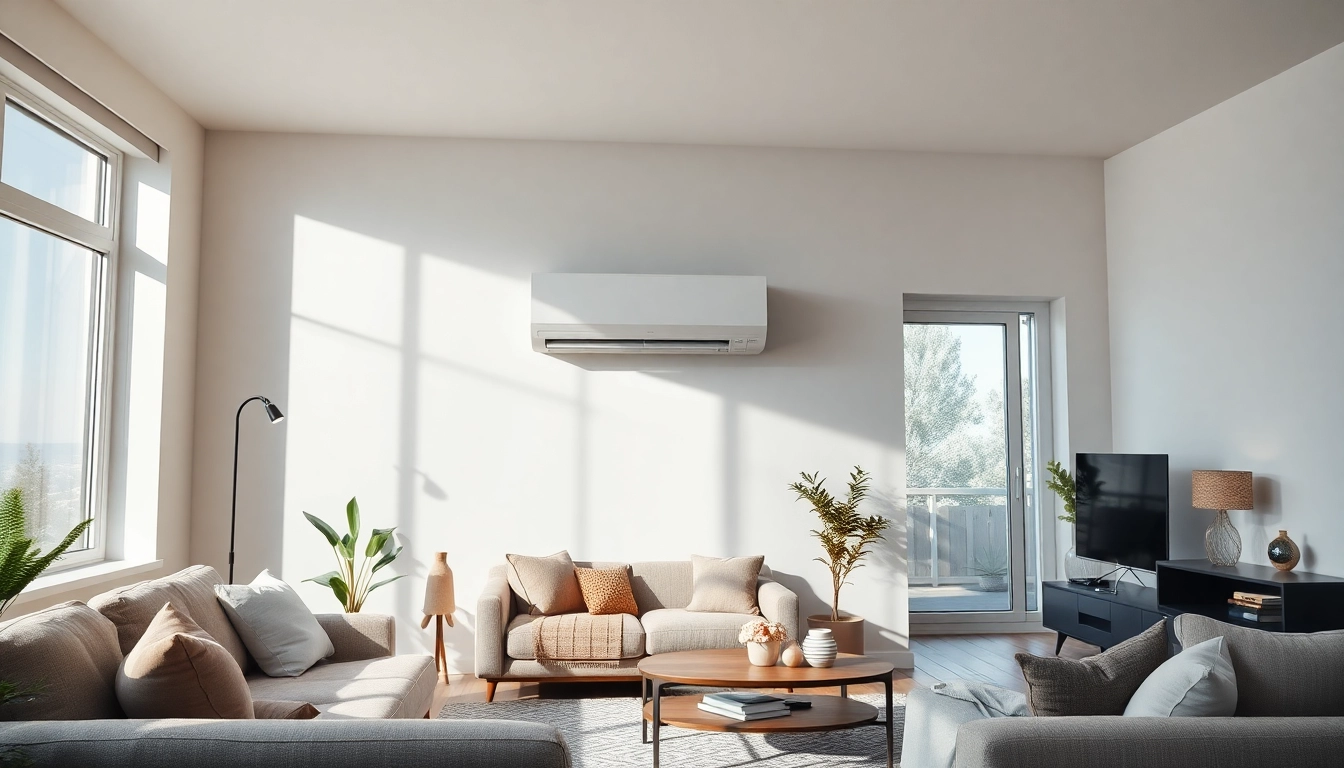
Indoor units can be mounted high on the wall, flush with the ceiling, or even repositioned in the ceiling for a sleek, unobtrusive look. This versatility allows homeowners and businesses to optimize the placement based on the room’s layout and design preferences, enhancing both aesthetics and functionality.
How to Install a Mitsubishi Mini Split AC
Preparation and Planning for Installation
Before proceeding with the installation of a mitsubishi mini split ac, thorough preparation is crucial. Begin by determining the appropriate size of the mini split system needed for your space, taking into account square footage, ceiling height, insulation quality, and sunlight exposure. Using an HVAC professional for load calculations can ensure accurate sizing.
Next, select an ideal location for both the indoor and outdoor units. Ideally, the outdoor unit should be placed on a sturdy base and away from direct sunlight, while the indoor unit should be centrally located in the room for optimal airflow.
Step-by-Step Installation Guide
- Install the mounting plate: Attach the mounting plate for the indoor unit to the wall, making sure it is level.
- Drill a hole: Create a small hole for the refrigerant lines and electrical wiring, ensuring it is free of any obstructions.
- Connect the refrigerant lines: Connect the insulated refrigerant lines from the indoor unit to the outdoor unit through the drilled hole.
- Mount the indoor unit: Hang the indoor unit onto the mounting plate according to the manufacturer’s instructions.
- Install the outdoor unit: Place the outdoor condenser on a firm, level surface, ensuring adequate clearance for airflow.
- Electrical Connections: Make electrical connections according to local codes and the manufacturer’s specifications.
- Test the system: Turn on the system and check for leaks while monitoring the system’s operation to ensure it functions correctly.
Choosing the Right Location for Your Unit
Optimal placement of the indoor and outdoor units is vital for system performance. The indoor unit should be positioned to allow for even air distribution without obstruction from furniture or drapes. Common placement options include high on walls or mounted in the ceiling for a discreet aesthetic.
The outdoor unit requires clear airflow; hence it should be at least several feet away from walls or other structures that could impede air circulation. Avoid placing the unit in a location exposed to intense heat or direct sunlight, as this can impact its efficiency.
Maintenance Tips for Mitsubishi Mini Split AC Systems
Regular Cleaning and Filter Replacement
To ensure optimal performance, regular maintenance of your mitsubishi mini split ac is essential. Cleaning the air filters every month enhances airflow and prevents dust buildup. Additionally, the outdoor unit should be checked for debris such as leaves or dirt to maintain efficiency.
Every few months, consider scheduling professional maintenance to thoroughly clean the coils and inspect the system for any potential mechanical issues. This proactive approach extends the lifespan of your mini split and enhances its performance.
Common Issues and Troubleshooting
While mitsubishi mini split ac units are generally reliable, some common issues may arise. If your system is not cooling as expected, check for a dirty air filter or blocked vents. Another frequent problem is the unit freezing up, often caused by low refrigerant levels or inadequate airflow due to dirty coils.
For any persistent issues, always consult the user manual or consider professional assistance to avoid further complications.
When to Call a Professional Technician
It is advisable to enlist a professional technician for more complex issues or if the system exhibits signs of malfunction, such as strange noises, persistent leaks, or inconsistent heating or cooling patterns. A certified technician will ensure proper diagnostics and repairs, maintaining the integrity and efficiency of your system.
Frequently Asked Questions about Mitsubishi Mini Split AC
What size Mitsubishi Mini Split AC do I need?
The required size depends on the room’s square footage, insulation quality, and ceiling height. Consulting an HVAC professional can ensure accurate sizing.
How noisy are Mitsubishi Mini Split AC systems?
Mitsubishi mini splits are known for their quiet operation, typically emitting sound levels between 19 and 48 decibels depending on the model.
Can I install a Mitsubishi Mini Split AC myself?
While DIY installation is possible, professional installation is recommended for optimal performance, safety, and compliance with local codes.
What is the lifespan of a Mitsubishi Mini Split AC?
With proper maintenance, a mitsubishi mini split ac can last 15 to 20 years, often exceeding the lifespan of traditional HVAC systems.
Do Mitsubishi Mini Split AC systems require special electrical work?
Yes, they typically require dedicated circuits and may need specific electrical work. It’s advisable to consult an electrician for proper installation.