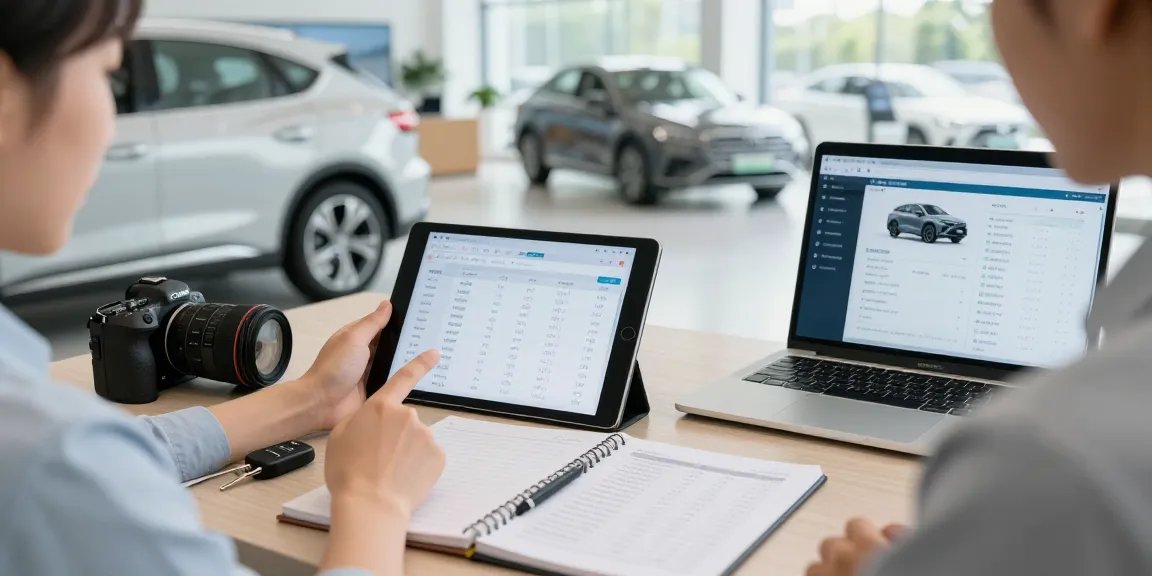

The Importance of VIN Lookup in Used Car Purchases
When venturing into the world of used car purchases, understanding a vehicle’s history is paramount. Many buyers fall into the trap of acquiring a used car without conducting a thorough vin lookup. This crucial step can save buyers from unexpected repairs, financial loss, and even legal issues. By utilizing VIN lookup services, prospective buyers equip themselves with invaluable information that can influence their purchasing decision significantly.
Understanding Vehicle History and Its Impact
Vehicle history reports are comprehensive documents that provide insights into a car’s past. They often include information on previous ownership, accident history, title status, service records, and odometer readings. Understanding these factors is essential because a car that looks perfect on the outside may have hidden defects that could lead to costly repairs down the line. A vehicle that has been in a serious accident may not only be unsafe but could also have a lower resale value.
Common Risks of Buying Without VIN Check
Buying a used car without checking its history is akin to gambling. The potential risks involved are numerous:
- Odometer Fraud: This occurs when the odometer has been tampered with to show a lower mileage than the vehicle has actually traveled. In the U.S., it’s estimated that buyers lose millions annually to such fraud.
- Salvage Title Issues: A vehicle with a salvage title has been declared a total loss by an insurance company. If purchased without proper diligence, buyers may be unaware that they are investing in a car that has underlying structural or safety problems.
- Outstanding Liens: If the car has an outstanding loan, the bank may still technically own it. This could lead to complications where the seller is unable to transfer ownership legitimately.
Key Benefits of Using VIN Lookup Services
Utilizing VIN lookup services grants buyers access to a multitude of benefits:
- Comprehensive Reports: These services provide detailed records, allowing potential buyers to make informed decisions.
- Peace of Mind: Knowledge of a vehicle’s history helps buyers avoid costly mistakes.
- Better Negotiation Power: Armed with facts, buyers can negotiate better prices based on the true condition of the car.
How to Conduct a VIN Lookup
Where to Find the VIN on Your Vehicle
The Vehicle Identification Number (VIN) is a unique 17-character code assigned to every vehicle. You can typically find the VIN in several places:
- The dashboard near the windshield on the driver’s side
- The driver’s side door jamb
- On the vehicle’s title and registration documents
Step-by-Step Process for VIN Lookup
Conducting a VIN lookup is straightforward and can be done in just a few steps:
- Locate the VIN on the vehicle.
- Visit a VIN lookup service online.
- Enter the VIN into the search bar.
- Review the vehicle history report generated.
Interpreting the Results of a VIN Check
Once you receive your vehicle history report, it’s essential to read and interpret the data correctly. Look for red flags such as:
- Multiple ownership changes in a short period.
- Records of severe accidents.
- Unusual discrepancies in odometer readings.
Types of Information Available Through VIN Lookup
What Data Does a VIN Report Provide?
A VIN report can include various types of information that are critical to making a purchasing decision:
- Title Information: Displays whether the car has a clean title or has been branded with a salvage or rebuilt title.
- Accident History: Details all reported accidents and damages, helping you gauge the car’s overall condition.
- Service Records: Shows regular maintenance and repairs, indicating how well the vehicle has been taken care of by previous owners.
Understanding Salvage Titles and Odometer Fraud
Salvage titles are issued when a vehicle has been involved in significant damage, leading to its classification as a total loss by an insurance company. Owning a car with a salvage title can greatly affect its resale value and insurance rates. Odometer fraud is another risk; reports show that millions are lost each year due to tampered odometers, which misrepresent a vehicle’s actual mileage.
States’ Variations in VIN Data Disclosure
It’s essential to understand that disclosure laws regarding VIN data can vary by state. Some states provide thorough reports while others may have limited data available. Always check which kind of information is accessible in your state to ensure you are making a fully informed purchase.
Best Practices for Using VIN Lookup Services
Choosing the Right VIN Lookup Service
Not all VIN lookup services are created equal. Look for providers that offer:
- Government-certified data sources
- Comprehensive history reports
- Transparent pricing with no hidden fees
Evaluating Costs vs. Benefits of a Full Report
While many services offer free VIN lookups, these often provide limited information. For a small fee, investing in a full report can potentially save you thousands in repair costs or legal issues down the line.
How to Use VIN Information for Negotiation
Once you have your report, utilize the information during negotiations. If the vehicle has a history of accidents or a salvage title, you can leverage this to negotiate a lower price. Be firm and informed during the process to maximize your potential savings.
Future Trends in Automotive History Reporting
Emerging Technologies in VIN Lookup Services
As technology advances, the future of VIN lookups is likely to be shaped by several trends, including:
- Blockchain Technology: This could offer more secure and tamper-proof records of a vehicle’s history.
- AI-Driven Insights: AI tools may analyze data trends, providing buyers with predictive insights on vehicle reliability.
Predictions for Vehicle History Reports in 2026
By 2026, we can expect VIN reports to become more comprehensive, potentially integrating real-time data from manufacturers and service providers. This could create a holistic view of a vehicle’s life that goes beyond mere historical records to include current performance metrics.
The Role of Consumers in Shaping VIN Lookup Standards
Consumer demand for transparency in the automotive marketplace will shape future standards for VIN lookups. As more buyers become aware of the significance of vehicle history, they will advocate for more detailed and reliable reports.
What is a VIN and Why Does It Matter?
A VIN serves as a unique identifier for vehicles, much like a fingerprint. Understanding its role helps buyers appreciate the importance of proper checks and the potential risks involved in ignoring this critical aspect of car buying.
How Accurate are VIN Reports?
While VIN reports can provide substantial information, their accuracy greatly depends on the data sources used by the reporting service. Always choose services that rely on government-certified databases for the most reliable information.
Are All VIN Lookup Services Free?
Many VIN lookup services offer free initial checks, but comprehensive vehicle history reports typically require a fee. These reports are often worth the investment for the peace of mind they provide.
What to Do if the VIN Report Flags Issues?
If a VIN report reveals serious issues, such as a salvage title or significant accident history, it’s crucial to reassess the purchase. You may choose to walk away or negotiate a price that reflects the car’s true condition.
How Often Should You Check a VIN Report?
It is advisable to check a VIN report every time you consider buying a used vehicle. Even if you’re purchasing from a trusted seller, thorough due diligence can prevent potential pitfalls.
What Are the Legal Implications of VIN Fraud?
VIN fraud can have severe legal repercussions for both sellers and buyers. It is crucial to ensure that all information is transparent and verified to avoid fraudulent transactions that could lead to legal penalties.