Understanding Handheld Oscilloscopes
Handheld oscilloscopes are versatile tools that play an essential role in modern electronics testing, bridging the gap between fundamental measurements and advanced diagnostics. These compact devices are particularly valued for their mobility, making them indispensable for electronics engineers, technicians, and hobbyists when working in the field or in tight spaces. With options available that boast advanced features such as built-in multimeters and dual-channel capabilities, understanding the unique offerings can significantly enhance your testing efficiency. When exploring options, Handheld Oscilloscope collections provide comprehensive insights into the various models available today.
What is a Handheld Oscilloscope?
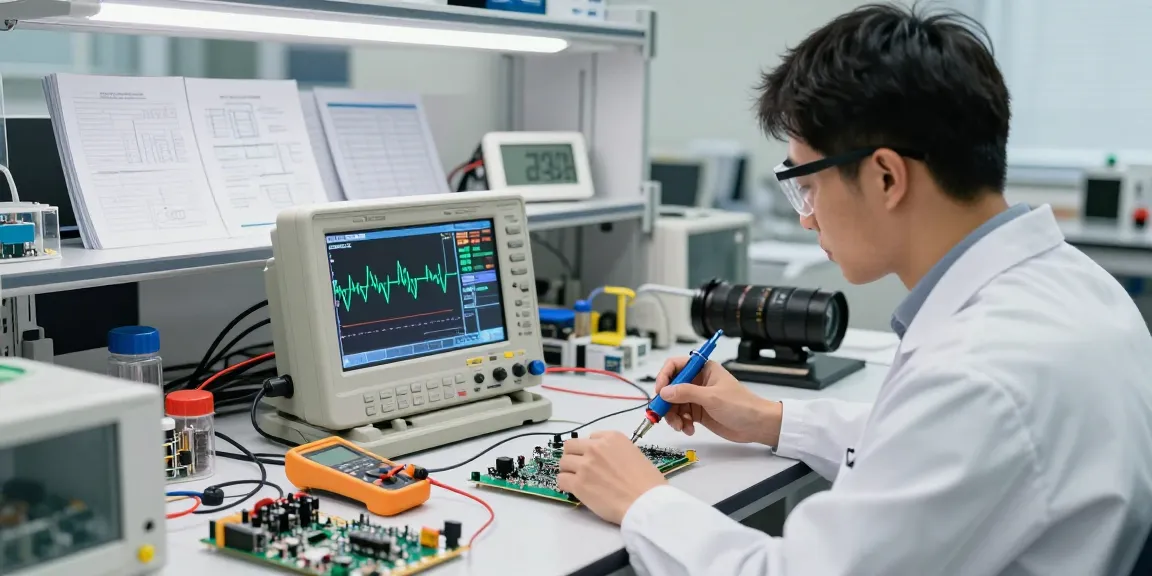
A handheld oscilloscope is a portable instrument used to visualize electrical signals, allowing engineers and technicians to analyze voltage, current, and other electrical parameters over time. Unlike traditional benchtop oscilloscopes, handheld models are designed for mobility, enabling users to capture signals in various environments, be it an automotive workshop, a research lab, or a field installation. This adaptability not only aids in real-time troubleshooting but also facilitates educational demonstrations, showcasing the behavior of electrical signals in a tangible manner.
Key Features and Benefits of Handheld Oscilloscopes
- Portability: Designed to be lightweight and compact, making them easy to carry and use in diverse locations.
- Ease of Use: Often equipped with intuitive interfaces and bright displays for simplified operation.
- Multi-function Capabilities: Many models combine features of oscilloscopes and multimeters, providing extensive measurements in one device.
- Durability: Built to withstand harsh conditions, ensuring reliable performance in various environments.
Comparing Handheld vs. Benchtop Oscilloscopes
At first glance, benchtop oscilloscopes appear superior due to their larger displays and higher sampling rates; however, handheld oscilloscopes offer distinct advantages in fieldwork. While benchtop models require a stable workspace, handheld oscilloscopes can operate on battery power, making them ideal for immediate testing in locations without access to mains electricity. Additionally, the compact nature of handheld oscilloscopes eliminates clutter and promotes an organized work environment.
Choosing the Right Handheld Oscilloscope
Selecting the most suitable handheld oscilloscope demands consideration of various technical factors and user needs. The right choice can lead to more efficient testing and reliable measurements, which are crucial in both professional and hobbyist applications.
Factors to Consider: Bandwidth and Sampling Rate
Bandwidth and sampling rate are two critical specifications that dictate the capabilities of an oscilloscope. Bandwidth refers to the range of frequencies that the device can accurately capture and display, while the sampling rate indicates how often the oscilloscope samples the signal being measured. As a rule of thumb, aim for a bandwidth that is at least five times greater than the highest frequency signal you intend to measure. For instance, if you plan to measure signals at 20 MHz, an oscilloscope with a minimum bandwidth of 100 MHz would be advisable.
Two-Channel vs. Single-Channel Handheld Oscilloscopes
Another decision point revolves around the number of channels. Single-channel oscilloscopes are typically sufficient for basic troubleshooting and testing, but two-channel oscilloscopes offer significant advantages when analyzing complex signals. This configuration allows users to compare two signals simultaneously, which is invaluable in determining phase differences or signal integrity issues.
Top Brands and Models Available in 2026
As technology progresses, several brands continue to innovate within the handheld oscilloscope market. Leading models include the HANMATEK® HO102S 3-in-1, offering a remarkable 100 MHz bandwidth and multifunctionality, as well as the compact HANMATEK® HO11, designed specifically for precision testing. These models exemplify the diverse features thoughtfully integrated into handheld oscilloscopes and highlight the trends of increasing functionality without compromising portability.
Common Applications of Handheld Oscilloscopes
Handheld oscilloscopes are employed across various industries, showcasing their versatility and practicality. Their real-time signal analysis capabilities enhance workflows, making them invaluable tools for both professionals and enthusiasts.
Using Handheld Oscilloscopes in Automotive Testing
In automotive diagnostics, handheld oscilloscopes facilitate the troubleshooting of electrical systems by providing visuals of voltage levels and waveforms, enabling technicians to pinpoint issues in real-time. This immediate feedback helps ensure that vehicles are operating safely and efficiently, ultimately saving time and costs associated with trial-and-error methods.
Applications in Educational Settings
Within educational environments, handheld oscilloscopes serve as excellent teaching tools. They allow students to engage with real-world applications of electrical engineering concepts, enhancing their understanding of signal behavior without the need for extensive lab setups. This hands-on approach fosters greater interest in STEM fields among students.
Field Applications: Maintenance and Troubleshooting
Field engineers and technicians benefit immensely from handheld oscilloscopes during maintenance and troubleshooting tasks. Their portability allows for accurate measurements in remote locations, ensuring that malfunctioning equipment can be diagnosed and repaired at the site, thus enhancing operational efficiency.
Advanced Features of Modern Handheld Oscilloscopes
Innovation in the handheld oscilloscope space has introduced several advanced features designed to enhance user experience and measurement accuracy. These developments reflect the growing demand for multifunctional tools in a dynamic testing environment.
Integration with Other Measurement Tools
Many modern handheld oscilloscopes integrate seamlessly with other measurement devices. For example, some models come with built-in multimeters that can measure resistance, current, and voltage, thereby reducing the need to switch equipment during diagnostics. This integration saves time and minimizes the number of tools required on-site.
Data Logging and Analysis Capabilities
Data logging features allow users to record signals over time, facilitating trend analysis and long-term monitoring of electrical systems. This capability is particularly beneficial in environments where stability is critical, and fluctuations can indicate underlying issues.
Wireless Connectivity and App Compatibility
The integration of wireless technologies in handheld oscilloscopes provides remote monitoring capabilities and data sharing options. Many models now feature Bluetooth or Wi-Fi connectivity, enabling users to visualize and analyze data using smartphones or tablets. This development not only enhances convenience but also promotes collaboration among engineers and technicians in the field.
Frequently Asked Questions about Handheld Oscilloscopes
As handheld oscilloscopes gain popularity, potential users often have specific queries regarding their functionality and application. Here are some common questions that arise:
What can I measure with a handheld oscilloscope?
Handheld oscilloscopes can measure a wide variety of electrical signals, including voltage, current, and frequency. They can also capture transient signals, providing insight into the performance of electronic circuits and systems.
Are handheld oscilloscopes suitable for beginners?
Yes, many handheld oscilloscopes are designed with user-friendly interfaces that cater to beginners as well as experienced users. They often feature auto-configuration settings, allowing new users to start measuring with minimal setup.
How do I maintain my handheld oscilloscope?
Regular maintenance involves keeping the device clean, checking battery levels, and ensuring the firmware is up to date. Users should also store oscilloscopes in protective cases to prevent damage when not in use.
What is the price range for a good handheld oscilloscope?
Prices for quality handheld oscilloscopes can vary widely based on features, bandwidth, and brand. Generally, you can expect to invest anywhere from $100 to $500 for a reliable model that covers basic to advanced needs.
What advancements can we expect in handheld oscilloscopes for the future?
Future handheld oscilloscopes are likely to see advancements in processing power, increased bandwidth options, and enhanced connectivity features. Moreover, as technology progresses, improved user interfaces will facilitate even more user-friendly experiences, catering to a broader range of testing scenarios.