Understanding the Basics of Bathroom Remodelling
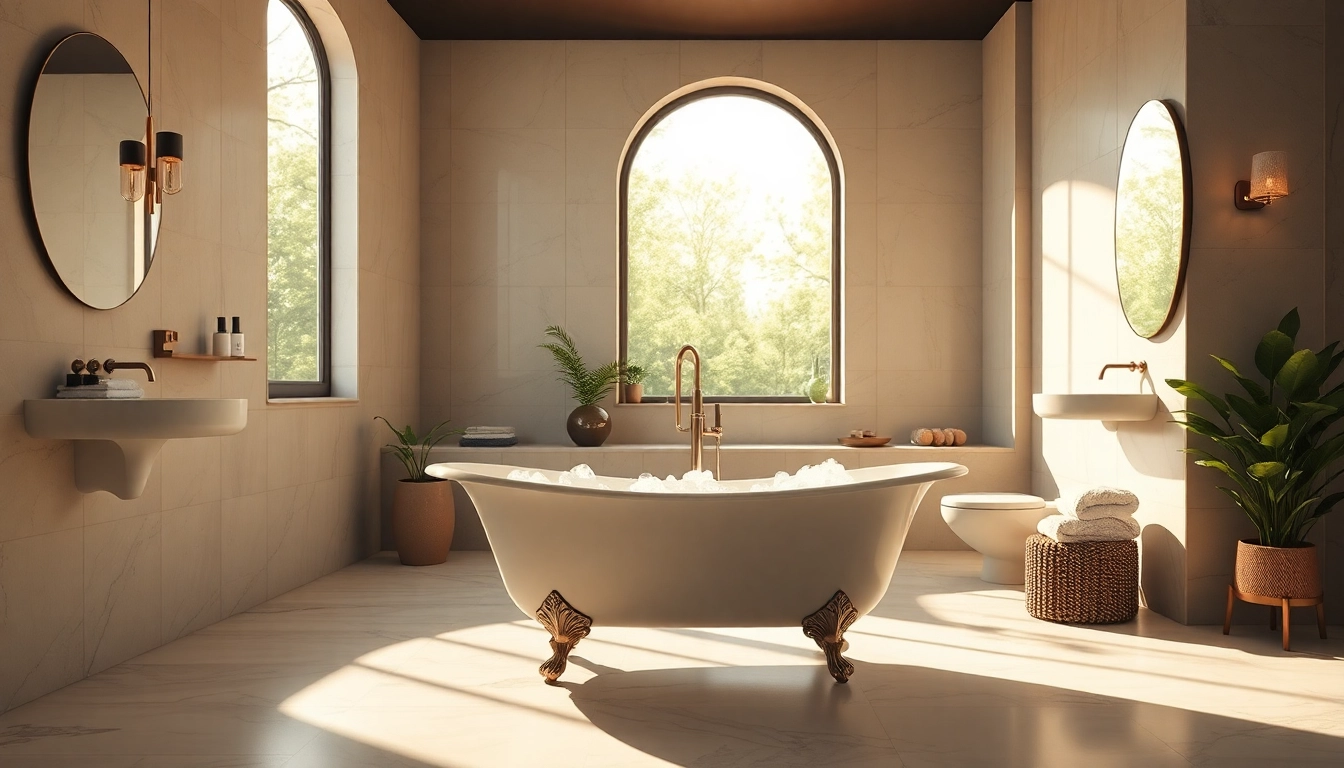
Bathroom remodelling is a transformative process that can reinvigorate an outdated space, enhance functionality, and significantly increase your home’s value. Whether you want to update the aesthetics, improve energy efficiency, or enhance the functionality of your bathroom, a well-thought-out remodelling project can achieve all these goals. Knowing the essential elements and common challenges associated with bathroom remodelling sets the stage for a successful renovation. This article delves into various facets of bathroom remodelling, from planning and design to execution and maintenance.
Essential Elements of Bathroom Remodelling
When considering a bathroom remodelling project, there are several essential elements to consider:
- Layout: The arrangement of fixtures like the toilet, sink, and shower has a major impact on functionality. A well-thought-out layout addresses traffic flow and accessibility.
- Storage: Incorporating adequate storage will keep the space organized. Options include cabinets, shelves, and recessed niches.
- Lighting: Adequate lighting is essential for a bathroom. Consider layering different types of lighting, such as ambient, task, and accent lighting.
- Ventilation: Proper ventilation prevents mold and mildew. Options range from simple exhaust fans to window openings.
- Fixtures and Fittings: Choosing durable and aesthetically pleasing fixtures can greatly enhance the space’s appeal and functionality.
Common Challenges in Bathroom Remodelling
Bathroom remodelling can present numerous challenges. Some of the common issues include:
- Budget Overruns: It’s easy to overspend. Creating a detailed budget is critical.
- Unexpected Structural Issues: Older bathrooms may have hidden problems like plumbing or electrical issues.
- Choosing the Right Design: The myriad of design options available can cause decision fatigue. Focusing on your needs can simplify the process.
- Timeline Delays: Delays in supply or labor can push back your completion date. Prepare for such setbacks by allowing extra time in your schedule.
Key Benefits of Bathroom Remodelling
Investing in bathroom remodelling yields various benefits, including:
- Increased Home Value: A newly remodelled bathroom can significantly boost your home’s resale value.
- Improved Functionality: Update fixtures and layouts to enhance accessibility and ease of use.
- Enhanced Energy Efficiency: Upgrading to water-efficient fixtures and LED lighting can reduce utility bills.
- Better Aesthetics: A fresh design can create a calming and luxurious atmosphere.
- Personalization: Reflect personal style and preferences through colour, texture, and design choices.
Planning Your Bathroom Remodelling Project
Setting a solid foundation in planning is paramount for a successful bathroom remodelling project. The planning phase can make or break the entire initiative. Here are the key components to focus on:
Setting a Realistic Budget
Establishing a budget is crucial for any remodelling project. Here are steps to create a realistic budget:
- Determine Your Maximum Spend: Assess your total budget, factoring in potential increases for emergencies.
- Itemize Costs: Break down costs into various categories such as materials, fixtures, labor, and permits.
- Include a Contingency Fund: It’s a wise practice to set aside 10-20% of your budget for unforeseen expenses.
Choosing the Right Design Style
Choosing a design style can greatly influence the overall vibe of your bathroom. Some popular design styles include:
- Modern: Focuses on clean lines, minimalism, and sleek finishes.
- Traditional: Features classic elements like ornate fixtures and rich colours.
- Rustic: Emphasizes natural materials like wood and stone.
- Contemporary: Mixes various styles with a focus on current trends.
How to Measure Your Space Effectively
Accurate measurements are essential for ensuring that new fixtures fit and that design choices work within the space’s limitations. To measure your bathroom:
- Measure the Length and Width: Record dimensions of walls, considering any insets or recesses.
- Height of Fixtures: Take note of the height of existing fixtures and account for any changes.
- Clearance Space: Ensure you account for space around fixtures for comfortable movement.
Selecting Materials for Bathroom Remodelling
The materials you select can dramatically affect the function, durability, and aesthetics of your bathroom. Here’s what to consider:
Popular Flooring Options
Flooring must withstand moisture and foot traffic. Various options include:
- Porcelain Tile: Durable and resistant to moisture, ideal for bathrooms.
- Vinyl: A budget-friendly option that can mimic other materials.
- Natural Stone: Offers uniqueness and luxury but requires additional maintenance.
Durable Wall Materials
Choose wall materials that can handle humidity and regular cleaning. Options include:
- Paint: Choose moisture-resistant paint for easy cleaning.
- Tile: Ideal for showers and splash regions due to its waterproof properties.
- Plywood Paneling: Can give a rustic look when treated properly.
Complementary Fixtures and Fittings
Fixtures and fittings should align with the overall design while being functional. Consider:
- Sinks: Choose materials that are durable and match your aesthetic.
- Faucets: Look for fittings that save water without compromising performance.
- Baths/Shower Units: Focus on comfort and elegance.
Executing Your Bathroom Remodelling Plan
The execution phase involves translating your plans into action, ensuring all tasks run smoothly. Here’s how:
Hiring Professionals vs. DIY
Deciding between hiring professionals or undertaking the project yourself depends on:
- Complexity: More intricate tasks likely require professional help.
- Skill Level: Assess your own experience and the time you can dedicate.
- Budget: DIY could save money but may lead to higher costs if mistakes are made.
Timeline for Your Bathroom Remodelling
Establishing a clear timeline is critical for staying on track. Here’s a guideline:
- Preparation: 1-2 weeks for planning and material selection.
- Demolition: 1 week, depending on size.
- Build and Install: 2-4 weeks, based on complexity.
- Finishing Touches: 1 week for paint and final installations.
Ensuring Compliance with Building Codes
Understand local building codes to ensure your remodelling project aligns with legal standards. Steps include:
- Research local codes regarding plumbing, electrical, and structural changes.
- Obtain necessary permits before starting work.
- Consult with professionals familiar with regulatory requirements.
Maintenance Tips After Bathroom Remodelling
Once your bathroom remodelling is complete, maintaining it properly extends its life and ensures continued enjoyment. Consider the following maintenance strategies:
Cleaning and Maintaining New Features
Regular cleaning keeps your bathroom looking fresh. Recommendations include:
- Use mild, non-abrasive cleaners on tiles and countertops.
- Regularly check for and promptly address leaks.
- Keep ventilation systems clear to prevent mold growth.
Preventing Common Bathroom Issues
Awareness of common problems helps in their prevention:
- Check for leaks regularly and repair them quickly to avoid water damage.
- Ensure proper ventilation to prevent humidity-related issues.
- Inspect grout and caulk for deterioration, replacing as needed.
When to Consider Future Updates
Even after a complete remodel, keeping your bathroom updated is essential. Signs it may be time for another update include:
- Wear and tear on fixtures or finishes.
- Changes in your family needs, such as accessibility requirements.
- Desire for new trends or technology in fixtures.
Frequently Asked Questions
What is the average cost of bathroom remodelling?
The average cost can vary widely based on location, size, and finishes but typically ranges from $10,000 to $25,000.
How long does a bathroom remodel usually take?
A bathroom remodel usually takes 3 to 6 weeks, depending on complexity, but can take longer for extensive renovations.
Can I remodel my bathroom myself?
Yes, but significant plumbing, electrical work, or structural changes typically require professionals for safety and compliance.
What are some popular design trends for bathrooms?
Popular trends include minimalist designs, spa-like atmospheres, bold tiles, and eco-friendly fixtures.
How can I ensure my bathroom is energy efficient?
Using water-saving fixtures, LED lighting, and high-efficiency appliances can greatly improve energy efficiency in your bathroom.