
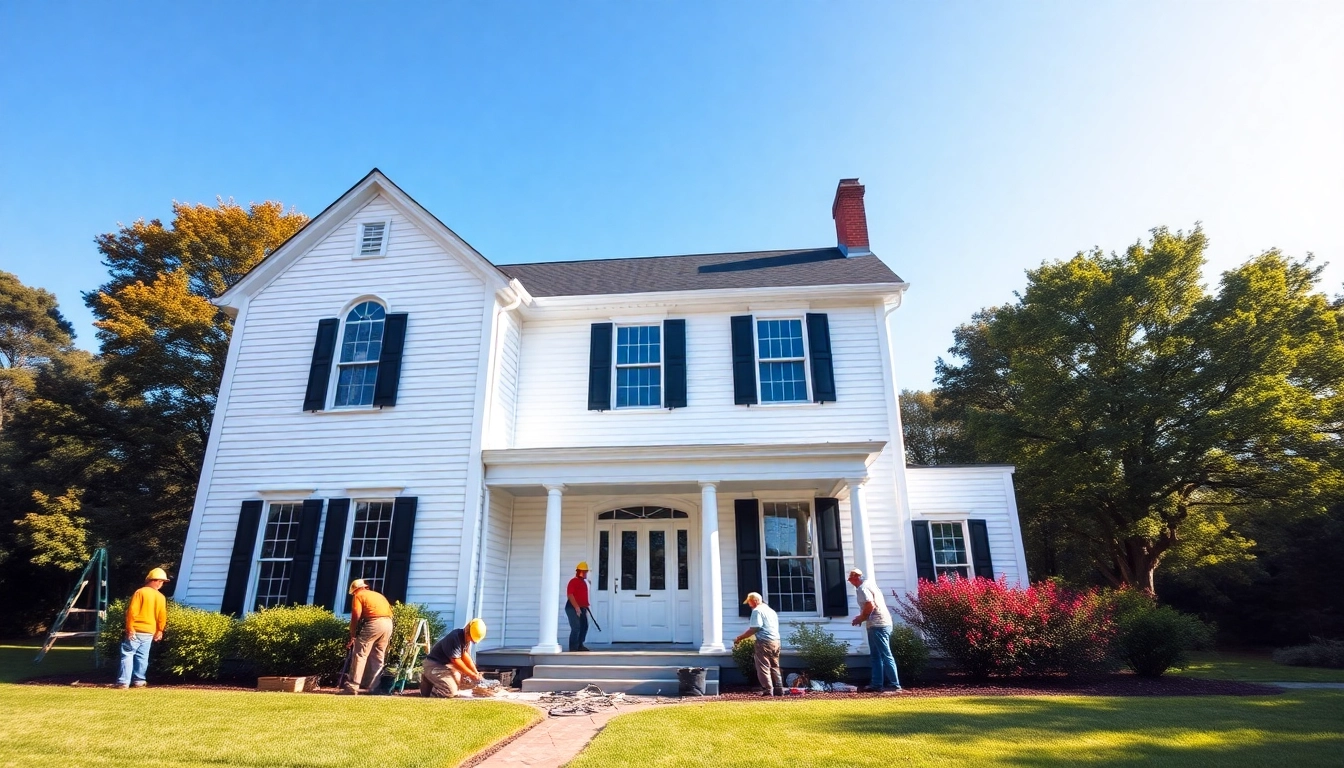
Understanding Colonial Home Renovation
Colonial home renovation is an appealing process for many homeowners who appreciate the rich architecture and historical significance of colonial-style residences. These homes, characterized by their distinct features and craftsmanship, often require thoughtful renovations to maintain their charm while integrating modern amenities. This guide will dive deep into the intricacies of renovating colonial homes, exploring essential components to ensure that your project honors both the past and the present.
What Defines Colonial Architecture?
Colonial architecture refers to the styles of residential construction that were prevalent in the American colonies during the 17th and 18th centuries. Key characteristics of colonial homes include symmetrical facades, gabled roofs, double-hung windows, and central entries. They often feature decorative elements that reflect the design trends of the time, such as pilasters, pediments, and cornices. The most recognized styles include Georgian, Federal, and Dutch Colonial, each distinguished by unique elements and cultural influences. Understanding these architectural traits is crucial when envisioning a colonial home renovation.
Benefits of Renovating Colonial Homes
The benefits of renovating colonial homes go beyond aesthetics. First, these renovations can significantly increase the home’s market value, as heritage properties are often seen as desirable investments. Renovating allows homeowners to maintain historical integrity while incorporating modern conveniences for enhanced livability. Additionally, many colonial homes are constructed using durable materials and techniques, making them excellent candidates for renovation rather than demolition. Lastly, engaging in a renovation enables you to leave a legacy, preserving the architectural history for future generations.
Common Challenges in Colonial Home Renovation
While renovating colonial homes can be rewarding, several challenges may arise during the process. The age of these homes often leads to structural issues, outdated electrical systems, and plumbing problems that need to be addressed. Furthermore, local historical guidelines may impose restrictions on renovations, making it necessary to work closely with preservationists to ensure compliance. Navigating these complexities requires careful planning and professional advice to avoid costly mistakes and delays.
Planning Your Colonial Home Renovation
Setting a Realistic Budget
A comprehensive budget is foundational to any successful renovation project. Start by itemizing all potential expenses, including labor, materials, permits, and unexpected costs that may arise from repairing older structures. It’s wise to allocate an additional 10-20% of your budget to cover unforeseen expenses. Additionally, conducting market research to understand average renovation costs in your area can help you gauge an appropriate budget for your project.
Hiring the Right Professionals
Choosing the right professionals is crucial in achieving a successful colonial home renovation. Look for architects or designers experienced in historical renovations who can effectively marry modern functionality with historical aesthetics. General contractors specializing in older homes will understand the unique challenges posed by such renovations. When interviewing potential candidates, inquire about their previous work, assess their understanding of building codes, and check references to make an informed decision.
Design Considerations for Colonial Homes
Designing your renovation must respect the characteristic features of colonial architecture. Attention to detail is paramount; consider using materials and colors that align with the home’s historical context. Preservation of original features like molding, staircase banisters, and fireplaces can enhance authenticity. Additionally, ensure that any modern upgrades are discreet and complement the historical style instead of detracting from it. Collaboration with design professionals can help achieve a harmonious blend of old and new.
Key Techniques in Colonial Home Renovation
Preserving Historical Features
One of the defining aspects of colonial home renovation is the preservation of historical features. This involves meticulous effort in restoring old elements rather than replacing them. For instance, wooden beams and original windows should be refurbished if possible, rather than replaced entirely. Engage skilled craftsmen who specialize in historical restoration to ensure these elements are treated with care. This approach not only maintains the character of the home but also adds value by upholding its heritage.
Modern Upgrades that Complement the Style
Modern upgrades can significantly enhance the functionality of colonial homes without compromising their architectural integrity. For instance, kitchens and bathrooms can benefit from contemporary appliances and fixtures while retaining colonial aesthetics. Utilizing historical colors and textures in these spaces can create an appealing balance between time periods. Implementing smart home technology can vastly improve energy efficiency while offering the convenience of modern living. Ensure that these upgrades are executed in harmony with the home’s colonial style.
Energy Efficiency Solutions for Colonial Homes
Implementing energy-efficient solutions in colonial homes is essential for sustainability. Focus on upgrading insulation in attics and walls to address drafts without disrupting the home’s appearance. Energy-efficient windows designed to mimic the style of original colonial windows can also reduce energy consumption significantly. Additionally, consider installing high-efficiency HVAC systems that allow for better climate control and lower utility bills. An energy audit can provide valuable insight into areas needing improvement.
Executing Your Colonial Home Renovation Project
Timeline: What to Expect?
The timeline for renovating a colonial home can vary significantly based on the scope of the project. Typically, a full renovation can take anywhere from a few months to over a year. Early planning stages, including design and budgeting, often require extensive time. Once construction begins, essential phases like demolition, structural repairs, and installation of new systems will consume considerable time as well. Regular communication with contractors will keep you informed of progress and prevent surprises along the way.
Permitting and Regulations
Before starting your renovation, it’s vital to understand local permitting and regulation requirements. Historical homes often fall under specific guidelines intended to preserve their architectural aesthetics. This means you may need to obtain permits for external changes or major internal modifications. Start this process early, as navigating the complexities of historical preservation can take time. Working closely with local historical commissions can simplify this process and ensure compliance.
Tips for a Smooth Renovation Process
To ensure your renovation project proceeds smoothly, establish clear communication with all professionals involved. Set realistic expectations and foster an environment of collaboration. Regularly update your budget and timeline to accommodate any adjustments necessary. Consider documenting the renovation process through photography for sentimental value and potential historical records. Lastly, ensure that you maintain flexibility, as unexpected challenges often arise in renovation projects.
Post-Renovation: Maintaining Your Colonial Home
Regular Maintenance Tips
After completing your colonial home renovation, regular maintenance is essential for preserving your investment. Schedule annual checks for your roof, gutters, and exterior paint, as maintaining these elements helps prevent more extensive repairs in the future. Regularly inspect plumbing and electrical systems to ensure operational efficiency. Additionally, consider creating a maintenance calendar to keep yourself organized and ensure that all necessary tasks are completed on time.
Restoration vs. Renovation
Understanding the difference between restoration and renovation is crucial for homeowners. Restoration typically involves returning a structure to its original form, often necessary for historical homes like colonial houses. On the other hand, renovation may include updating and modernizing spaces while still respecting their historical features. This distinction influences the approach you take in planning your project. A blend of both techniques can often yield the best results, balancing historical preservation with modern living needs.
Enhancing Value Through Landscaping
A well-planned landscape can significantly enhance the curb appeal and value of colonial homes. Opt for native plants that complement the home’s architecture while requiring less maintenance. Incorporate hardscaping elements, such as walkways and patios that reflect the property’s history. Additionally, consider adding garden features like brick or stone walls that mirror traditional colonial styles. Comprehensive landscaping enhances the historical narrative of your property and makes it more inviting.
Frequently Asked Questions
1. What is the best time to renovate a colonial home?
The best time is typically in the spring or fall when the weather is mild, as this can lessen disruptions while allowing for proper ventilation during renovations.
2. How do I find historical renovation specialists?
Seek recommendations from local historical societies, real estate agents, or renovation forums. Websites and professional networks focused on architecture can also provide reliable contacts.
3. Are there grants available for renovating historic homes?
Yes, there are federal and state programs offering grants and tax incentives for preserving historic homes. Research local programs or consult with preservation societies for opportunities.
4. Can I make structural changes to a colonial home?
While some structural changes are possible, they often require permitting and adherence to historical regulations. Consult with professionals to ensure compliance with local guidelines.
5. How long does a typical renovation take?
The timeline can vary widely based on project scope. Minor renovations may take a few months, while extensive projects can last over a year. Regular communication with contractors is key.