
Understanding Cape Cod Homes
Historical Significance of Cape Cod Homes
The quintessential cape cod homes embody the spirit of American colonial architecture. Originating in the early 17th century, these homes were built by early settlers in Massachusetts as a response to the harsh coastal environment. Designed to withstand the weight of heavy snowfall and fierce coastal winds, their simple yet durable structure allowed families to thrive in isolated rural settings. Over the decades, they evolved with various influences, showcasing local materials and adapting to modern needs while preserving their historical charm.
Common Architectural Features of Cape Cod Homes
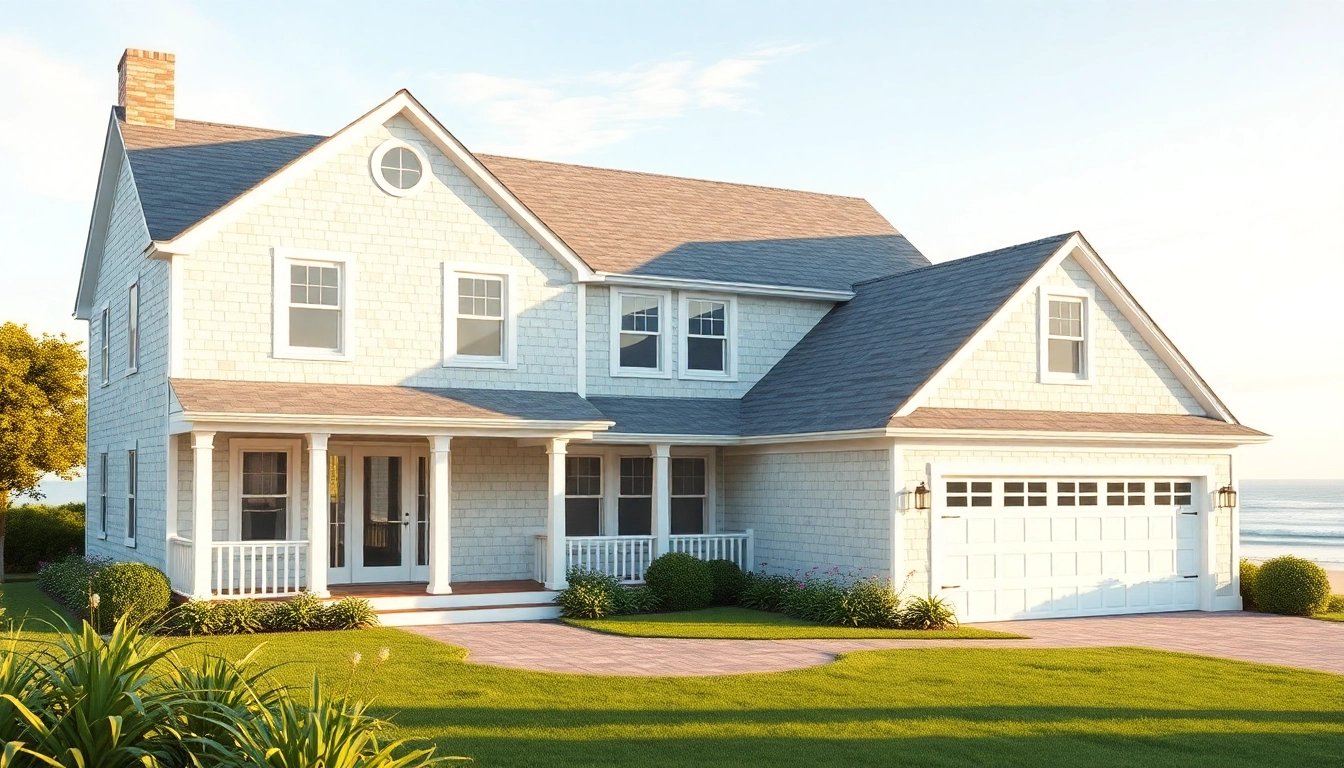
At the heart of Cape Cod architecture lies a distinctive simplicity characterized by a steeply pitched roof, symmetrical façade, and centrally located front door. The exteriors are typically clad with wood shingles, often painted in muted colors that reflect the natural coastal palette. Large dormer windows provide light and ventilation to the upper stories, and their narrow eaves allow for effective runoff during rainy seasons. The interiors are equally functional, usually featuring open floor plans with focused living areas, built-in cabinetry, and fireplaces that once provided warmth during long winters.
Regional Variations in Cape Cod Homes
While the classic Cape Cod home holds a specific architectural identity, regional variations exist based on local climate, geography, and materials. In coastal areas, homes may incorporate larger decks and expansive windows to enhance ocean views. Meanwhile, inland variations may include wider layouts and porches, blurring the lines between indoor and outdoor spaces. Variability also extends to decoration styles; some homes favor traditional exteriors, while others adopt more contemporary flairs, reflecting the evolving tastes of the homeowner.
Designing Your Ideal Cape Cod Home
Choosing the Right Location for Cape Cod Homes
When selecting a location for your Cape Cod home, consider proximity to the coast and the scenic beauty of the landscape. Ideal spots often include coastal towns or areas with natural amenities like beaches, forests, or lakes. Accessibility to local services such as shops, schools, and healthcare enhances both comfort and convenience. Furthermore, ensure that zoning laws support your design intentions, particularly for expansions or renovations of existing structures.
Essential Design Elements for Cape Cod Homes
To achieve a quintessential Cape Cod design, focus on key elements such as roofing materials, window styles, and landscaping. Use high-quality cedar shingles and maintain a traditional color palette that includes whites, blues, and greys. Ensure that windows are evenly spaced and feature matching trim for consistency. Outdoor elements, like stone paths and native planting, can enhance the home’s integration into the environment while providing curb appeal.
Maximizing Natural Light in Cape Cod Homes
Natural light is an essential component of any Cape Cod home. To enhance natural illumination, consider adding expansive windows and skylights strategically placed to capture sunlight during the day. Open-concept layouts aid light flow between rooms, while lighter paint colors help reflect brightness throughout the space. Designing outdoor living areas, such as porches or patios, with ample exposure to sunlight can also create inviting spaces where residents can enjoy the natural surroundings.
Materials and Construction for Cape Cod Homes
Popular Materials Used in Cape Cod Homes
Traditional construction of Cape Cod homes prominently features wood as the primary material. Cedar shingles, which can withstand coastal weather and provide an attractive finish, are a popular choice for siding. Additionally, builders often use natural stone for foundational elements and landscaping, creating a seamless transition between the home and the natural environment. Modern adaptations incorporate materials like fiber cement siding for durability and low maintenance.
Energy-Efficient Solutions for Cape Cod Homes
To meet contemporary environmental standards, energy efficiency is crucial in modern Cape Cod homes. Incorporating insulated windows, high-efficiency HVAC systems, and sustainable building practices can drastically reduce energy consumption. Furthermore, the integration of solar panels, green roofs, and rainwater harvesting systems contributes to self-sufficiency and reduces environmental impact while maintaining the home’s aesthetic integrity.
Budgeting for Construction of Cape Cod Homes
Building a Cape Cod home requires careful budgeting to manage costs effectively. Start with a detailed plan that includes materials, labor, and permits. Factor in potential unexpected expenses, as adjustments may be needed based on site conditions or design changes. Engaging a knowledgeable architect or contractor experienced in Cape Cod designs can provide essential guidance and help manage your budget efficiently, ensuring a smooth process from start to finish.
Landscaping Around Cape Cod Homes
Ideal Plants for Cape Cod Homes
Landscaping around Cape Cod homes should reflect the natural coastal ecosystem. Consider incorporating native plants such as beach roses, hydrangeas, and ornamental grasses that thrive in sandy soils and respond well to salty air. These plants often require less maintenance and water once established. Additionally, using mulch can conserve moisture and reduce weeds, ensuring that the landscape remains healthy and vibrant.
Creating Outdoor Spaces with Cape Cod Homes
Outdoor living spaces can enhance the overall enjoyment and functionality of Cape Cod homes. Explore options such as covered porches, patios, or outdoor kitchens that encourage gatherings and relaxation. Landscaping can also define these areas, with pathways, flower beds, and seating arrangements enhancing usability and aesthetic appeal. Incorporating features like fire pits or outdoor lighting can foster a welcoming atmosphere for evening gatherings.
Maintenance Tips for Successful Landscaping
Maintaining a healthy landscape requires regular attention. Schedule seasonal tasks like pruning, mulching, and replacing dead plants. Regular watering, especially during dry spells, is crucial for establishing new plantings. Additionally, stay vigilant for signs of pests and diseases, using organic methods whenever possible to protect the local ecosystem. A well-cared-for landscape not only enhances the home’s curb appeal but also contributes to a positive living environment.
FAQs about Cape Cod Homes
What defines a Cape Cod home?
A Cape Cod home is characterized by steep roofs, dormer windows, and a symmetrical facade, often with shingle siding.
Are Cape Cod homes energy-efficient?
Many modern Cape Cod homes incorporate energy-efficient designs and materials, enhancing sustainability while maintaining aesthetics.
How do I maintain a Cape Cod home’s exterior?
Regular painting, checking for moisture, and cleaning gutters can help maintain the charming exterior of Cape Cod homes.
What landscaping suits Cape Cod homes?
Coastal plant varieties, such as hydrangeas and beach grasses, work well with the natural environment around Cape Cod homes.
Can I modify a traditional Cape Cod home?
Yes, modifications can be made to suit modern needs while preserving the iconic styling of traditional Cape Cod homes.