Understanding the Custom Pergola Configurator
As outdoor spaces become increasingly cherished extensions of our homes, the demand for unique, custom-built structures is on the rise. One such innovation making waves in the landscaping world is the custom pergola configurator, a digital tool that allows homeowners and designers to create personalized pergola designs tailored to their specific needs and preferences. This guide delves into the significance of these configurators, their benefits, and how they can transform your outdoor living space.
What is a Custom Pergola Configurator?
A custom pergola configurator is an online tool that enables users to design their own pergolas with various specifications and features. Through a user-friendly interface, individuals can select the size, shape, materials, and additional elements like lighting and shading options for their pergola. The configurator often provides real-time visualizations, allowing users to see their design in 3D and make adjustments as desired.
Benefits of Using a Custom Pergola Configurator
Utilizing a custom pergola configurator offers numerous advantages for homeowners looking to enhance their outdoor spaces:
- Personalization: Users can tailor every aspect of their pergola, ensuring it fits their aesthetic and functional requirements.
- Visualization: The ability to view designs in 3D helps users understand how the structure will look in their environment.
- Cost-Effectiveness: Configurators can provide instant pricing estimates based on the chosen materials and dimensions, aiding in budget management.
- Time Savings: Streamlined design processes reduce the time spent on planning and modifications.
Key Features of Top Configurators
When evaluating different custom pergola configurators, look for features that enhance the design experience:
- 3D Rendering: High-quality graphics that provide a realistic view of the design.
- User-Friendly Interface: An intuitive layout that guides users through the design process.
- Real-Time Modifications: Options to change dimensions, materials, and colors on the fly.
- Integration with Other Tools: Compatibility with design software or landscape planning applications.
Choosing the Right Design for Your Space
Selecting the perfect pergola design goes beyond aesthetics; it requires careful consideration of multiple factors to ensure it complements your home and lifestyle. Understanding these elements will help you craft a pergola that is not only beautiful but functional as well.
Factors to Consider When Designing Your Pergola
When designing a pergola, several key factors should guide your decisions:
- Size and Scale: Assess the dimensions of your outdoor space to select a proportionate size for your pergola.
- Functionality: Consider what you’ll primarily use the pergola for—shade, outdoor dining, or perhaps hosting gatherings—and design accordingly.
- Local Climate: Choose materials and design features that withstand your area’s weather conditions.
- Space Constraints: Ensure the design complies with any local zoning regulations and fits well within your property lines.
Popular Styles and Materials for Pergolas
A variety of styles and materials can be selected when designing your custom pergola:
- Wood: Traditional and classic, wood is favored for its natural beauty and versatility.
- Vinyl: A low-maintenance option, vinyl pergolas can mimic the appearance of wood while providing durability and resistance to decay.
- Aluminum: Lightweight and resistant to corrosion, aluminum is suitable for modern designs and can include adjustable features for shading.
Integrating the Configurator with Home Aesthetics
To achieve a harmonious outdoor space, it’s essential to integrate your pergola design with your home’s existing aesthetics. This means matching architectural styles, materials, and colors. For instance, a modern home may benefit from a sleek aluminum pergola, while a rustic cottage would pair beautifully with a wooden structure. The configurator allows you to visualize these elements easily, ensuring a cohesive look.
Step-by-Step Guide to Using a Custom Pergola Configurator
Using a custom pergola configurator can seem daunting at first, but a few simple steps can streamline the process. Here’s how to navigate the configurator effectively.
Initial Setup and Input Parameters
Begin by entering your basic parameters, such as:
- Overall dimensions (width, length, height)
- Desired style (attached, freestanding, etc.)
- Location and orientation considerations for optimal sunlight exposure
Customizing Dimensions and Features
Next, use the configurator to refine your design. This includes:
- Selecting specific materials (wood type, color finishes)
- Adding features like built-in seating, lighting fixtures, and panels for privacy or shade
- Utilizing the 3D visualization to rotate and zoom into your design, ensuring all elements align with your vision
Finalizing and Saving Your Design
Once satisfied with your pergola design, save your configuration for future reference. Most configurators will allow you to generate technical drawings and a materials list, making it easier to share with contractors or builders for completion.
Real-World Applications of Custom Pergola Designs
Custom pergolas have been successfully integrated into both residential and commercial environments, proving their versatility and functionality.
Case Studies: Families Who Transformed Their Outdoor Spaces
Many families have used custom pergola configurators to enhance their outdoor living experiences, leading to remarkable transformations. For example:
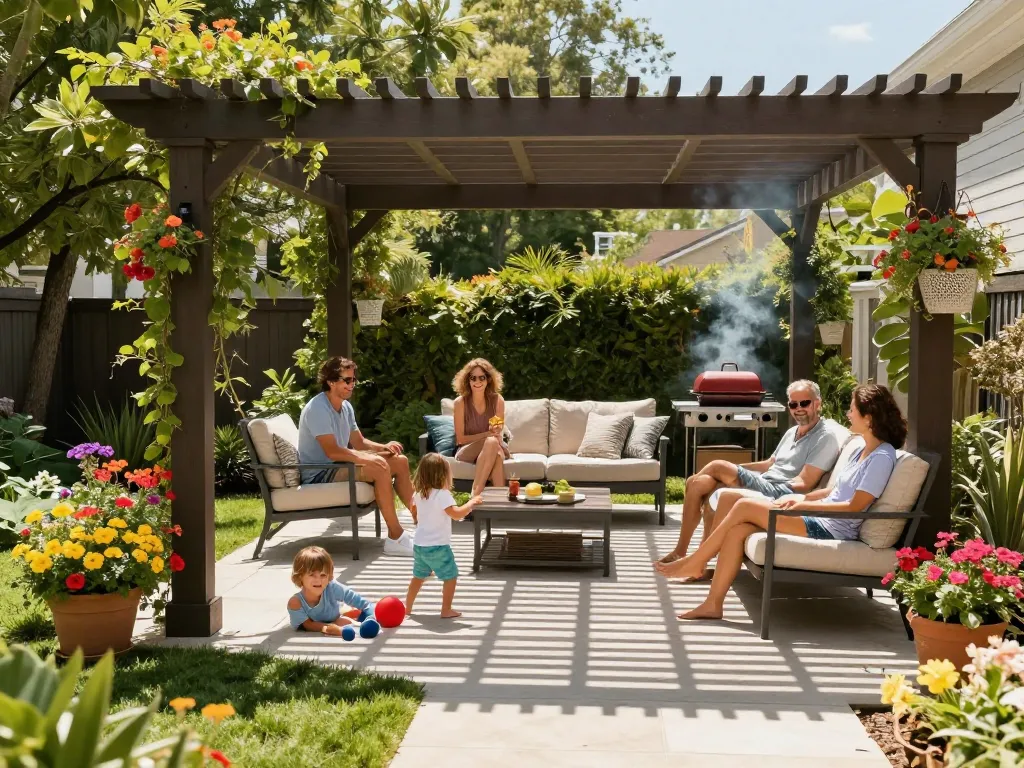
- A family in the suburbs designed a spacious wood pergola for outdoor dining, furnished with weather-resistant furniture and ambient lighting, creating a perfect space for summer gatherings.
- Another family opted for a modern aluminum option with adjustable louvers, allowing them to control light and shade throughout the day.
Commercial Uses of Custom Pergolas
In commercial settings, custom pergolas serve various purposes:
- Restaurants and cafes often use them to provide outdoor dining areas that are stylish and appealing.
- Public parks and recreational areas can benefit from shade structures that enhance usability while maintaining aesthetic appeal.
Maximizing Functionality: Shade, Privacy, and Aesthetics
By carefully designing their custom pergolas, homeowners and businesses can maximize functionality. Incorporating elements like retractable screens or integrated lighting can enhance privacy and usability in the evenings, making the space enjoyable at all times.
Future Trends in Pergola Design and Technology
As we move towards 2026, the world of pergola design continues to evolve, with exciting trends on the horizon.
Emerging Innovations in Pergola Configurators for 2026
The next generation of custom pergola configurators is likely to incorporate advanced technologies, such as:
- Augmented Reality (AR): Allowing users to visualize pergolas in their actual yard spaces before making a decision.
- Integration with Home Automation Systems: Offering smart features like automated shading and lighting controls for enhanced comfort.
Sustainable Materials and Design Practices
More homeowners are prioritizing sustainability, which is reflected in the increasing availability of eco-friendly materials like reclaimed wood and recycled metals. Custom configurators will likely adapt to include these green options as demand grows.
Smart Pergola Features: What to Expect Soon
Expect to see smart pergolas equipped with sensors that automatically adjust the roof or shading according to weather conditions. New technologies will also allow for energy-efficient lighting systems that minimize environmental impact while enhancing outdoor ambience.
What are the benefits of using a custom pergola configurator?
The benefits include personalization, cost-effectiveness, and enhanced visualization, allowing for better decision-making regarding design and budgeting.
How can I integrate a pergola design with my current landscape?
To integrate a pergola with your landscape, consider matching styles, materials, and colors with your home and garden, while also ensuring it complements existing features like pathways and outdoor furniture.
What materials are best for building a pergola?
Common materials include wood (for a natural look), vinyl (for low maintenance), and aluminum (for modern designs). The best choice ultimately depends on your aesthetic preferences and local climate considerations.
Can I use the configurator for commercial properties?
Yes, many configurators are versatile enough to accommodate both residential and commercial designs, enabling businesses to create attractive outdoor spaces.
What features should I look for in a configurator tool?
Look for tools that offer 3D rendering, user-friendly interfaces, customization options, and real-time pricing to enhance your design experience.