
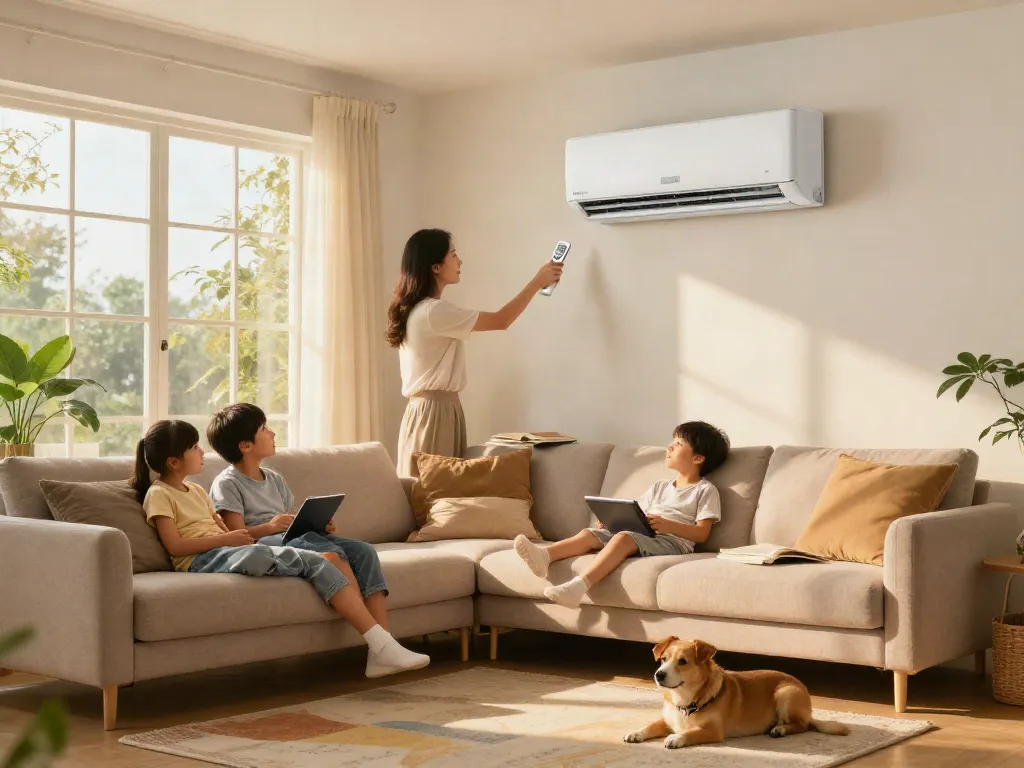
Understanding the 24000 BTU Mini Split Air Conditioner
The 24000 BTU mini split air conditioner has become a popular choice for homeowners and small business owners alike, offering an effective solution for cooling and heating large spaces. These units are particularly beneficial for areas where traditional ducted systems may not be feasible or cost-effective. By understanding their features and capabilities, you can make an informed decision about whether a 24000 btu mini split air conditioner is the right fit for your needs.
What is a Mini Split Air Conditioner?
A mini split air conditioner is a type of ductless system that consists of an outdoor compressor unit and one or more indoor air handling units. Unlike traditional air conditioning systems that require extensive ductwork, mini splits are easier to install and often more energy-efficient. The ability to cool or heat individual rooms provides flexibility in climate control, allowing homeowners to selectively condition spaces based on usage and preference.
Key Features of 24000 BTU Systems
24000 BTU mini split systems are designed to cater to larger rooms or open layout spaces, offering several key features:
- High Capacity: Capable of cooling or heating areas of up to 1500 square feet, making them ideal for larger homes or commercial spaces.
- Inverter Technology: Many modern mini splits utilize inverter technology, which adjusts the compressor speed for increased efficiency and reduced energy consumption.
- Multi-Zone Capability: Some models offer multi-zone capability, allowing for multiple indoor units to be connected to one outdoor unit, providing customized climate control in different areas.
- Smart Features: Many new units come equipped with smart technology, enabling remote control via smartphone apps and integration with home automation systems.
Benefits for Residential Use
Choosing a 24000 BTU mini split air conditioner for residential use comes with numerous benefits:
- Energy Savings: With high SEER ratings, mini splits can save homeowners significantly on energy bills compared to traditional systems.
- Flexible Installation: The absence of ductwork means easier installation in various spaces, including retrofitting existing homes.
- Improved Air Quality: Mini splits often include filters that help reduce allergens and dust, promoting a healthier indoor environment.
- Noise Reduction: The outdoor unit operates quietly, while indoor units can be placed where sound levels are a concern.
Choosing the Right Mini Split for Your Home
Before selecting a mini split air conditioner, it is crucial to understand the specific needs of your home. Factors like room size, insulation quality, and local climate conditions play a significant role in determining the right unit for you.
Factors to Consider When Selecting a Unit
When choosing a 24000 BTU mini split, consider the following:
- Room Size: Ensure the unit is capable of efficiently cooling or heating the intended space.
- SEER Ratings: Look for models with high Seasonal Energy Efficiency Ratio (SEER) ratings for long-term energy savings.
- Noise Levels: Consider the sound levels of indoor and outdoor units, especially in noise-sensitive areas.
- Brand Reputation: Research brands and read reviews to find reliable models known for their performance and customer service.
Energy Efficiency Ratings Explained
Understanding energy efficiency ratings is crucial when selecting a mini split system. SEER indicates the efficiency of the cooling process, while HSPF (Heating Seasonal Performance Factor) measures heating efficiency. Higher ratings translate to lower energy bills and reduced environmental impact.
Budgeting for Your 24000 BTU Mini Split
When budgeting for a mini split air conditioner, consider the upfront cost, installation fees, and potential long-term savings from energy efficiency. While the initial investment may be higher than traditional systems, the operational savings can make it a cost-effective choice over time.
Installation Process and Requirements
The installation process of a mini split air conditioner can vary based on whether you choose professional installation or a DIY approach. Understanding the requirements can help streamline the process.
Preparing Your Space for Installation
Before installation, assess your space to determine the best locations for indoor units, ensuring they are not obstructed and have adequate clearance for airflow.
Professional vs. DIY Installation
While DIY installation is possible, it requires a basic understanding of electrical and plumbing systems. Hiring a professional ensures compliance with local codes and guarantees proper setup for optimal performance.
Common Installation Challenges
Be aware of potential challenges such as wall space for mounting indoor units, the need for refrigerant lines, and connection to the electrical system. These factors may complicate installation and should be planned for ahead of time.
Maintenance Tips for Optimal Performance
To ensure your 24000 BTU mini split air conditioner operates efficiently throughout its lifespan, regular maintenance is essential.
Regular Maintenance Checklist
Implementing a maintenance routine can help prolong the life of your unit:
- Clean or replace air filters every month.
- Inspect and clean the outdoor unit to prevent debris buildup.
- Check refrigerant levels annually.
- Schedule professional inspections at least once a year.
Signs That Your Mini Split Needs Repairs
Be vigilant for signs that your mini split may require repairs, such as unusual noises, fluctuating temperatures, or decreased airflow. Addressing these issues early can prevent major repairs down the line.
Energy-Saving Maintenance Practices
Simple practices like programming your thermostat, ensuring proper insulation, and utilizing ceiling fans can enhance your mini split’s efficiency and reduce energy consumption.
Future Trends in Mini Split Technology
The mini split sector is constantly evolving, with innovations on the horizon that promise to improve efficiency and user experience.
Innovations to Watch for by 2026
From improved inverter technologies to more efficient refrigerants, advancements in mini split air conditioning systems are poised to enhance energy efficiency and performance. Expect to see a greater emphasis on sustainability and user-friendly technologies.
Smart Technology Integration in Mini Splits
As smart home technology continues to grow, many mini splits are integrating with home automation systems, allowing for remote adjustments and monitoring via smartphones. This trend enhances convenience and can lead to increased energy efficiency.
The Impact of Climate Change on Cooling Systems
As global temperatures rise, the demand for effective cooling solutions will only increase. Manufacturers are adapting by creating more efficient systems capable of handling extreme weather conditions, ensuring reliability regardless of climate fluctuations.
Is a 24000 BTU Mini Split Air Conditioner Right for You?
Ultimately, whether a 24000 BTU mini split air conditioner is right for you depends on your specific heating and cooling needs, the size of your space, and your budget. Conducting a thorough evaluation will help you make a sound decision.
Can You Install a 24000 BTU Mini Split Yourself?
While DIY installation is possible, it requires knowledge and experience. For those uncomfortable with electrical work or plumbing, professional installation is recommended for safety and optimal performance.
What to Do If Your Mini Split Increases Energy Costs?
If you notice an unexpected rise in energy costs, check your filters, inspect for air leaks, or consider whether the unit is appropriately sized for your space. Consulting with a professional can also help diagnose potential issues.
Do Mini Splits Work Efficiently in Extreme Weather Conditions?
Modern mini splits are designed to function efficiently in a range of temperatures. However, units with advanced inverter technology tend to perform better under extreme conditions, ensuring consistent comfort.
How Long Do 24000 BTU Mini Split Units Last?
With proper maintenance, a 24000 BTU mini split unit can last 15 to 20 years, making it a long-term investment for your cooling and heating needs.
What Size Home is Ideal for a 24000 BTU Mini Split?
A 24000 BTU air conditioner typically suits homes or spaces of approximately 1000 to 1500 square feet, depending on insulation and layout. Accurate sizing is crucial for achieving optimal comfort and efficiency.