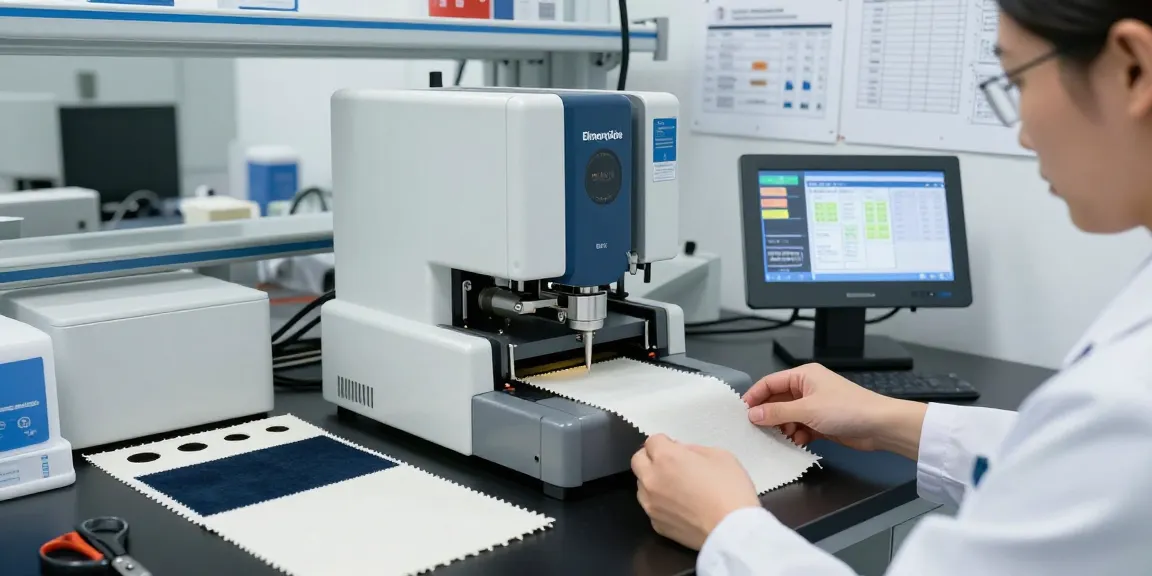

Understanding Physical Hazards
Definition and Importance
The term physical hazard encapsulates a plethora of risks that can arise in various environments, especially workplaces. These hazards represent any form of physical threat that can cause workplace incidents, injuries, or fatalities. Understanding what constitutes a physical hazard is paramount for ensuring a safe working environment, as these risks can stem from numerous sources, including machinery, environmental conditions, and even workplace organization.
Incorporating robust hazard recognition and mitigation strategies is not just a regulatory compliance requirement; it’s a moral imperative to uphold workforce well-being and productivity. Costly accidents often stem from physical hazards that could have been identified and mitigated through comprehensive safety protocols and employee training.
Types of Physical Hazards
Physical hazards can be broadly categorized into several types, including but not limited to:
- Mechanical Hazards: Risks associated with moving machinery or equipment, such as cuts, crush injuries, or entrapment.
- Environmental Hazards: Conditions in the workplace that pose risks, such as extreme temperatures, noise, or vibrations.
- Ergonomic Hazards: Risks arising from improper workstation setup, repetitive movements, or awkward postures that can lead to musculoskeletal disorders.
- Electrical Hazards: Risks associated with electrical systems, including exposed wires, short circuits, or overloading.
Understanding these types allows organizations to tailor their safety measures more effectively, addressing specific vulnerabilities pertinent to their operations.
Regulatory Standards
Compliance with local, national, and international safety regulations is essential for mitigating physical hazards. Various organizations and authorities set regulations to guide businesses in maintaining safety standards and practices. Notably, organizations such as OSHA (Occupational Safety and Health Administration) lay down extensive guidelines that help organizations identify potential hazards. Consistent engagement with these standards can prevent accidents and improve overall safety culture in workplaces.
Identifying Physical Hazards
Common Indicators
Recognizing physical hazards is the first step to effective mitigation. Several common indicators can signal the presence of hazards, such as:
- Visible wear and tear on machinery and equipment.
- Unorganized or cluttered workspaces, which may obstruct emergency exits or work flow.
- Employee complaints about discomfort or unsafe working conditions.
- Frequent near-miss incidents or minor accidents that indicate underlying issues.
By staying vigilant and responsive to these indicators, companies can proactively address physical hazards before they escalate into more serious incidents.
Tools for Hazard Recognition
Employing various tools and methodologies can aid in the identification of physical hazards. Common tools include:
- Safety Audits: Regular evaluations of workplace conditions to identify potential hazards.
- Checklists: Detailed lists that guide safety officers or employees through key safety considerations in various environments.
- Risk Assessment Software: Digital solutions that streamline the process of hazard identification and risk evaluation.
These tools promote a systematic approach to hazard recognition, ensuring that critical factors are not overlooked.
On-site Assessments
Conducting thorough on-site assessments is essential for identifying physical hazards accurately. During these assessments, teams should:
- Walk through the workspace to visually inspect areas for potential hazards.
- Engage with employees to understand their perspectives and concerns.
- Document findings meticulously for subsequent action and improvement processes.
Implementing regular on-site assessments fosters a proactive environment that prioritizes safety.
Evaluating Physical Hazards
Risk Assessment Processes
Once physical hazards have been identified, a structured risk assessment process is crucial for evaluating their impact. This involves:
- Characterizing the nature of each identified hazard.
- Determining the level of exposure and who is impacted.
- Calculating the potential severity of injuries or incidents that could occur.
A thorough risk assessment not only identifies potential dangers but also lays the groundwork for effective mitigation strategies.
Severity and Likelihood Analysis
Diving deeper into risk assessment, evaluating the severity and likelihood of incidents helps prioritize hazards based on their potential impact. This can be visualized through:
- Risk Matrix: A visual tool that classifies hazards based on their likelihood of occurrence and severity of consequences.
- Quantitative Analysis: Statistical methods that analyze historical data to predict future occurrences.
Through applying these methods, organizations can focus on the most pressing hazards relevant to their operations.
Documentation Practices
Robust documentation is paramount throughout the risk assessment process. This includes:
- Detailed reports of hazards identified and their evaluations.
- Action plans outlining necessary interventions for mitigation.
- Records of employee feedback and safety committee meetings that contribute to ongoing hazard evaluation.
Well-maintained documentation supports accountability and enhances safety culture across the organization.
Mitigation Strategies for Physical Hazards
Engineering Controls
Effective mitigation strategies often begin with engineering controls that can reduce or eliminate hazards. Examples include:
- Installing guards or barriers on machines to prevent accidental contact.
- Using ventilation systems to reduce exposure to airborne contaminants.
- Redesigning workstations to encourage ergonomic practices.
Engineering controls aim to change physical conditions and minimize risk without relying on employee behavior.
Administrative Controls
When engineering controls are not feasible, administrative controls provide alternative pathways to manage physical hazards. This can include:
- Developing and enforcing SOPs (Standard Operating Procedures) that outline safe work practices.
- Implementing job rotation to reduce repetitive strain injuries.
- Organizing safety meetings regularly to reinforce safe behavior and share updates.
Administrative measures benefit from structure and regulation, promoting a comprehensive safety culture.
PPE Best Practices
Personal Protective Equipment (PPE) is often the last line of defense against physical hazards. Best practices for effective PPE usage involve:
- Conducting assessments to determine required PPE for specific tasks.
- Ensuring regular inspection and maintenance of PPE to confirm functionality.
- Providing training sessions on the proper use and limitations of PPE to all employees.
By prioritizing proper PPE practices, organizations can significantly reduce the likelihood and severity of incidents involving physical hazards.
Ongoing Training and Awareness
The Role of Training Programs
Continuous training is vital for maintaining awareness around physical hazards. Training programs should be:
- Tailored to specific roles and risks within the organization.
- Regularly updated to incorporate new information and feedback.
- Engaging and interactive to enhance retention and understanding.
A skilled and well-informed workforce is less likely to overlook hazards, contributing to a safer work environment.
Creating a Safety Culture
Building a culture that prioritizes safety ensures that all employees feel empowered to engage in identifying and mitigating physical hazards. Strategies to foster such a culture include:
- Encouraging open communication about safety concerns without fear of repercussions.
- Recognizing and rewarding employees for proactive safety behavior.
- Establishing safety committees that include employee representation for diverse perspectives.
A robust safety culture not only minimizes physical hazards but also enhances team collaboration and morale.
Monitoring and Feedback
Implementing robust procedures for monitoring and feedback can unveil gaps in hazard identification and mitigation strategies. Effective monitoring includes:
- Regularly reviewing incident reports and safety audits for recurring themes.
- Soliciting employee input through surveys or feedback sessions.
- Adapting training programs and protocols based on observed hazards and employee experiences.
This ongoing evaluation adapts the approach to safety, ensuring that evolving workplace conditions are met with appropriate strategies.
Frequently Asked Questions
What is a physical hazard?
A physical hazard is a risk present in the workplace that can cause injury or harm. It can include environmental conditions, equipment, or practices that may lead to accidents.
How can I identify physical hazards in my workplace?
Identifying physical hazards can be done through regular safety audits, employee feedback, and visual inspections of work environments and equipment.
What are the most common types of physical hazards?
Common types of physical hazards include mechanical, environmental, ergonomic, and electrical risks, each requiring specific attention and mitigation strategies.
What role does training play in reducing physical hazards?
Training educates employees about physical hazards, safe practices, and reinforces a safety culture, significantly lowering the risk of accidents and injuries.
What measures can be taken to mitigate physical hazards?
Mitigation can involve engineering controls, administrative procedures, and the appropriate use of personal protective equipment (PPE) to ensure a safer workplace.