
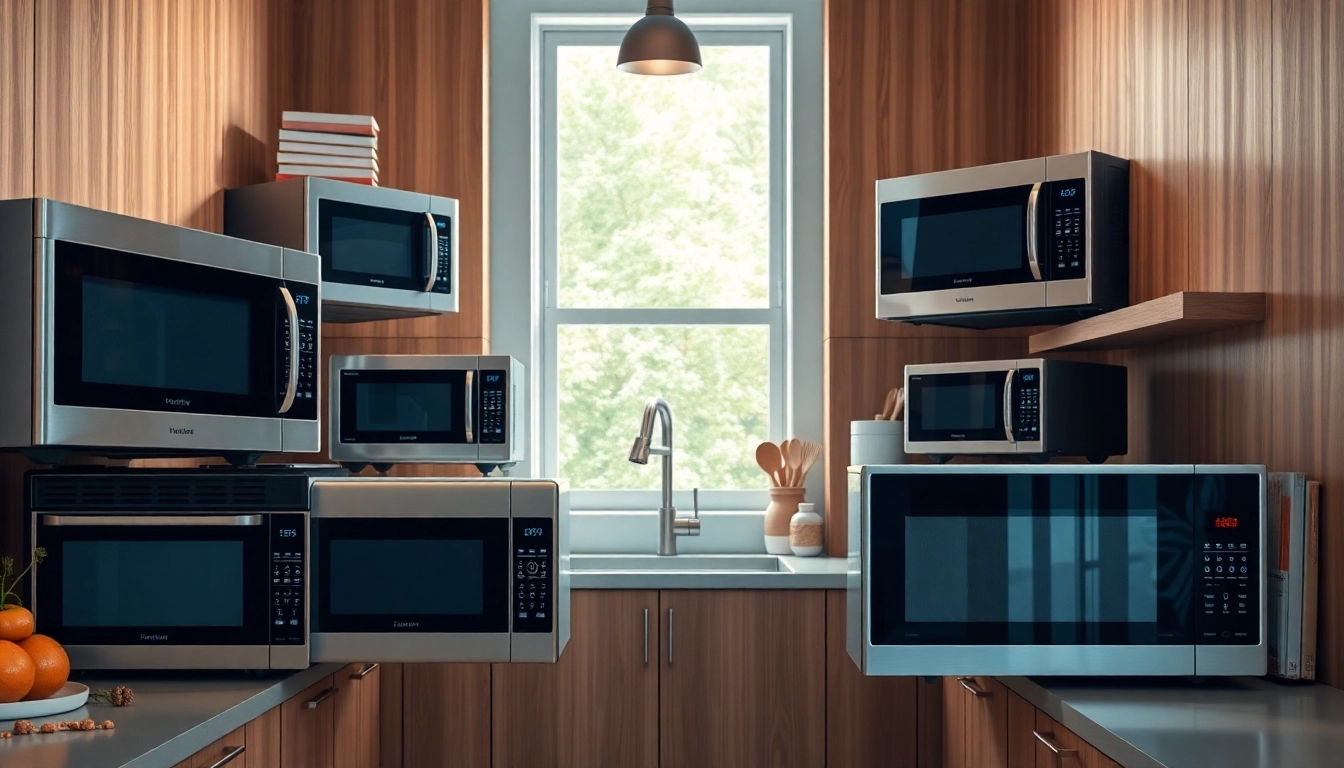
Understanding the Benefits of Microwave Oven Sales
As the demand for convenient cooking solutions rises, Microwave Oven Sales have surged significantly. This growth reflects a fundamental shift in how consumers prepare meals, emphasizing quick and efficient methods. The benefits of utilizing microwave ovens extend beyond mere convenience; they encompass health-conscious cooking, efficiency in meal preparation, and an array of versatile cooking techniques.
Healthier Cooking Options
Microwave ovens provide a unique avenue for healthier cooking. Unlike traditional methods that rely on excessive oils and fats to enhance flavor, microwave cooking often involves steaming, which preserves essential nutrients in vegetables and other ingredients. Studies indicate that using microwaves can reduce the need for added fats, contributing to lower calorie meals without sacrificing taste.
Moreover, microwave ovens require less cooking time than conventional ovens, which can diminish the formation of potential carcinogens that occur at high temperatures. This rapid cooking method can reduce nutrient loss in food, particularly in vegetables, making them a nutritious option for health-conscious consumers.
Time Efficiency in Meal Preparation
In our fast-paced lives, time efficiency has become a priority in meal preparation. With a microwave oven, users can cook or reheat food much faster than using an oven or stove. For example, defrosting frozen meat in a microwave takes a fraction of the time it would when left to sit at room temperature – a crucial factor for busy families and individuals.
Additionally, many microwave ovens now come with preset cooking programs that ensure optimal results for various dishes, further minimizing preparation and cooking time. This hands-free approach allows users to manage their time better, especially during hectic weekdays.
Versatile Cooking Techniques
One of the standout features of microwave ovens is their versatility. Beyond reheating leftovers, users can employ various cooking techniques including baking, broiling, and grilling. Modern microwaves often integrate convection technology, allowing users to achieve the same effects as traditional ovens with the added benefit of quicker cooking times.
For example, baking cookies or cakes in a convection microwave can produce fabulous results without requiring preheating time, saving users both energy and time. Such functionality promotes culinary creativity, encouraging users to experiment with different recipes without additional kitchen appliances.
Navigating Microwave Oven Features
When considering Microwave Oven Sales, understanding the features can significantly impact consumer choices. Today’s microwave ovens boast a range of functions, energy ratings, and advanced technologies that cater to diverse user needs.
Essential Functions to Consider
Potential buyers should contemplate several essential functions when choosing a microwave oven. These may include:
- Power Levels: Adjustable power settings allow for precise cooking, enabling rapid heating or gentle steaming.
- Sensor Cooking: This feature automatically adjusts cooking time and power based on moisture content and steam levels.
- Pre-programmed Settings: Many models offer one-touch options for popcorn, pizza, baked potatoes, and more, simplifying the cooking process.
- Child Lock: This safety feature prevents accidental operation, making microwaves safe for households with children.
Energy Efficiency Ratings Explained
Energy efficiency is a vital consideration when selecting a microwave oven. Many appliances are rated based on their energy consumption, which can significantly influence long-term operating costs. Higher energy efficiency ratings often correlate with features that minimize power usage without compromising performance.
Consumers should look for the Energy Star label or equivalent certifications, as these indicators assure them that the microwave meets stringent energy efficiency guidelines established by independent organizations.
Advanced Technologies in Ovens
The advancement of technology in microwave ovens has led to enhanced cooking experiences. Innovations such as inverter technology allow for consistent cooking power, eliminating hot spots in food. This technology contrasts with traditional microwaves that cycle between full power and no power, which can result in uneven cooking.
Additionally, smart microwave ovens equipped with Wi-Fi connectivity allow users to control functions via mobile apps. This capability puts convenience at users’ fingertips, enabling preheating, monitoring cooking times, and managing recipes with ease.
Choosing the Right Microwave for Your Needs
The market is flooded with choices when it comes to microwave ovens, making it crucial for consumers to make informed decisions based on their specific needs. This section outlines key considerations to guide purchases.
Comparing Different Types of Microwaves
Microwave ovens come in various types, each designed for specific purposes:
- Countertop Microwaves: The most common type, easy to install and relocate, suitable for families and general cooking needs.
- Built-in Microwaves: These models offer a streamlined look and are permanently installed into cabinetry, saving space.
- Over-the-Range Microwaves: Combined with a range hood, these units save counter space and provide additional ventilation.
- Microwave Ovens with Convection: These versatile models can perform both microwave and convection cooking functions.
Size Considerations for Kitchens
Another critical factor in selecting a microwave oven is size. Buyers should assess their kitchen layout and available counter space before making a purchase. Typical countertop models range from 0.5 to 2.0 cubic feet, with larger capacities offering increased versatility for cooking larger dishes.
For smaller kitchens, built-in or over-the-range options may be better suited, allowing for efficient space utilization without sacrificing functionality.
User Reviews and Recommendations
Before finalizing a microwave oven purchase, consumers are encouraged to read user reviews and consult recommendations. These insights can provide valuable information regarding the performance, durability, and ease of use of various models. Additionally, online retailers often feature customer feedback, allowing potential buyers to make well-informed choices based on real experiences.
Tips for Enhancing the Value of Microwave Oven Sales
To successfully boost Microwave Oven Sales, businesses must adopt strategic practices that promote both product appeal and consumer engagement.
Strategies for Competitive Pricing
Pricing strategies play a pivotal role in consumer purchasing behavior. Retailers should conduct market research to understand competitor pricing and consumer expectations effectively. Implementing promotional offers, seasonal discounts, or bundled packages can entice price-sensitive customers without compromising the perceived value of products.
Marketing Techniques to Boost Sales
Effective marketing techniques can significantly impact microwave oven sales. Utilizing social media for targeted advertising, collaborating with influencers, or engaging in community cooking events can raise brand awareness and showcase the benefits of microwave ovens. Content marketing, including recipes or kitchen tips, can further educate potential customers on the versatility of microwaves.
Building Customer Loyalty
Building customer loyalty is essential for sustained sales success. Retailers can implement loyalty programs that reward frequent buyers, providing incentives for repeat purchases. Additionally, offering exceptional customer service and follow-up communication can enhance customer satisfaction and encourage word-of-mouth referrals.
Future Trends in Microwave Oven Sales
The microwave oven industry is poised for innovation and growth, driven by evolving consumer preferences and technological advancements. Observing future trends will provide insights into how to remain competitive and relevant in the market.
Smart Microwave Innovations
The evolution of smart kitchen appliances is an exciting frontier for microwave ovens. As technology progresses, expect an increase in smart features such as voice activation, recipe integration, and remote control functionalities. These smart innovations are likely to attract tech-savvy consumers looking for modern solutions in their kitchens.
Sustainable Practices in Manufacturing
With growing environmental awareness, manufacturers are increasingly adopting sustainable practices in the production of microwave ovens. This shift may involve using eco-friendly materials, energy-efficient designs, and enhanced recyclability of products. Consumers are progressively seeking brands that prioritize sustainability, influencing purchasing decisions effectively.
Market Dynamics and Consumer Preferences
Understanding shifts in market dynamics and consumer preferences is essential for staying ahead in Microwave Oven Sales. As lifestyles change, so do the cooking habits of consumers. Increased demand for healthy, quick meal solutions and multi-function appliances may shape product development and marketing strategies going forward.
FAQs
What are the benefits of using a microwave oven?
Microwave ovens offer faster cooking times, energy efficiency, and versatile cooking methods, making meals convenient and nutritious.
How do I choose the right microwave oven?
Consider size, features, and energy ratings that align with your specific kitchen needs and usage habits.
Are there safety concerns with microwave ovens?
Modern models are generally safe; following manufacturer guidelines ensures safe operation and minimizes hazards.
What’s the average lifespan of a microwave oven?
Most microwave ovens can last between 9 to 10 years with effective usage and proper maintenance practices.
How can I improve my microwave oven sales?
Focusing on competitive pricing, implementing effective marketing strategies, and enhancing customer experience can drive sales growth.