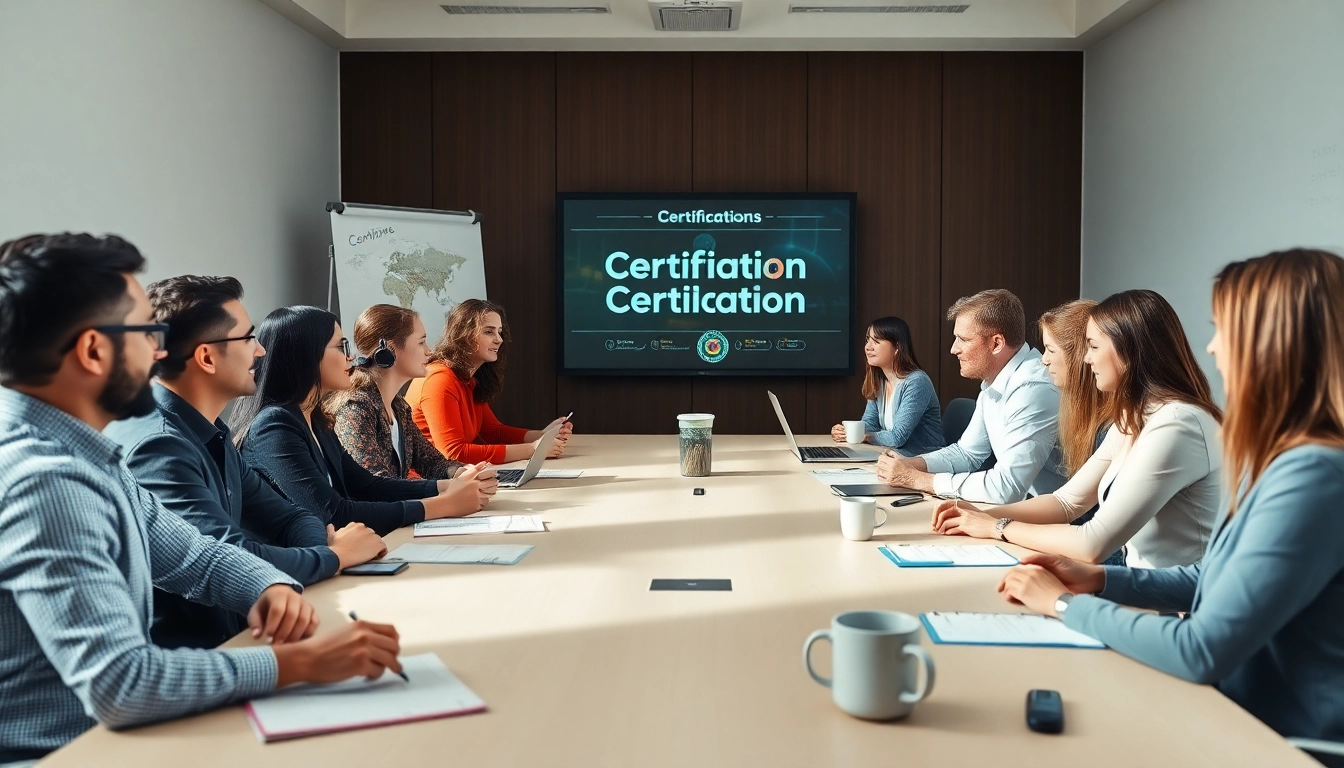

Understanding the Role of a Career Consultant
What Does a Career Consultant Do?
A career consultant plays a pivotal role in guiding individuals through the complex landscape of career choices and professional development. They provide expert insights tailored to each client’s unique situation, combining industry knowledge with personal assessment techniques. Career consultants help clients navigate the intricacies of career transitions, identify potential paths, and hone essential skills needed to thrive in their chosen fields.
Benefits of Working with a Career Consultant
Engaging with a career consultant can yield numerous benefits. First and foremost, consultants provide personalized advice that considers your individual background, strengths, and aspirations. This can lead to increased job satisfaction and better career alignment. Additionally, they bring valuable insights about industry trends and job market demands, helping clients make informed decisions. Moreover, career consultants often have access to exclusive networking opportunities and resources, further enhancing the support they can provide.
Career Consultant Services You Might Need
Career consultants offer a variety of services designed to address the diverse needs of their clients. Common offerings include:
- Career Assessments: Tools and evaluations that help identify strengths, weaknesses, and suitable career paths.
- Resume Writing: Professional assistance to create impactful resumes that stand out to potential employers.
- Interview Coaching: Preparation sessions where clients learn to effectively communicate their skills and experiences during interviews.
- Job Search Strategies: Proven techniques to enhance job searching, including leveraging social media and networking.
- Career Change Support: Guidance for individuals looking to transition into new fields or roles.
Identifying Your Career Goals
Setting SMART Career Objectives
One of the foundational steps in career development is setting clear and measurable goals. SMART goals are:
- Specific: Define your objectives with clarity.
- Measurable: Ensure you can track your progress.
- Achievable: Set goals that are realistic and attainable.
- Relevant: Align your goals with your overall career aspirations.
- Time-bound: Establish a timeline to accomplish these objectives.
This structured approach allows you to stay focused and organized during your career pursuits, making it easier to assess progress and adjust plans as needed.
Assessing Your Skills and Passions
Understanding your unique skill set and passions is crucial for career fulfillment. A thorough self-assessment helps identify not only what you are good at, but also what you enjoy doing. Consider utilizing tools such as personality tests, skills inventories, or even consultations with a career consultant to gain insight into your strengths and preferences. This evaluation will lay a foundation for selecting a career path that resonates with both your skills and your passions.
Visualizing Your Career Path
Creating a career vision board or outlining a career path can provide clarity on where you want to go and how to get there. Visual aids can motivate you to stay committed to your goals and provide a realistic roadmap of what steps are needed to advance your career. This might include further education, skill development, or networking initiatives.
By laying out a clear path, you’ll be better equipped to pursue your objectives and measure your progress toward achieving them.
Finding the Right Career Consultant
Key Qualities to Look For
Finding a suitable career consultant is paramount for a fruitful professional journey. Consider these key qualities:
- Expertise: Look for a consultant with a solid background in career counseling and a proven track record.
- Personal Fit: The consultant’s approach should resonate with your personality and needs.
- Industry Knowledge: A consultant who understands your specific field can provide tailored advice and insights.
- Communication Skills: A good consultant must convey ideas clearly and encourage open dialogue.
Identifying these qualities can significantly enhance your chances of a successful partnership.
Researching Potential Consultants
Thoroughly researching potential career consultants is essential before making a commitment. Consider asking for recommendations from trusted sources, reading reviews, or exploring professional networks. Investigate credentials, certifications, and areas of expertise to ensure the consultant you choose is well-qualified. Don’t hesitate to schedule initial consultations with several candidates to assess their compatibility with your needs.
Preparing for Your Initial Meeting
Preparation for your first meeting with a career consultant can set the tone for future sessions. Start by reflecting on your career history, achievements, and any specific challenges you may face. Prepare questions about the consultant’s process, experience, and how they tailor their services to individual needs. Having this information ready will not only help you maximize your time but will also create a productive environment for meaningful discussions.
Working Effectively with Your Career Consultant
Setting Expectations and Goals
Establishing clear expectations and goals at the outset of your partnership with a career consultant can enhance the effectiveness of your sessions. Discuss your objectives, timelines, and preferred communication styles. This will help both you and your consultant stay aligned and focused on measurable outcomes, ensuring that your time together is fruitful.
Regular Communication for Success
Maintaining open and ongoing communication with your career consultant is essential for success. Regular check-ins will allow you to discuss progress, reassess goals, and make necessary adjustments to your strategy. Whether it’s through scheduled meetings, emails, or even quick messages, keeping the lines of communication open encourages accountability and promotes collaborative problem-solving.
Evaluating Progress Together
Periodic evaluation of your progress in conjunction with your career consultant can help ensure you are on track to meet your goals. This may involve reviewing action plans, adjusting timelines, or even pivoting direction based on feedback and changing circumstances. Regular evaluation sessions encourage reflection and foster an adaptive mindset, which can be particularly valuable in today’s dynamic job market.
Frequently Asked Questions about Career Consultation
What Should I Expect During Our First Meeting?
During your first meeting, expect to discuss your background, career goals, and challenges. The consultant will likely conduct an initial assessment to understand your needs better.
Can Career Consultants Help with Resume Writing?
Yes, many career consultants offer resume writing services, helping you craft a compelling resume that highlights your skills and experience to attract employers.
How Long Does It Take to See Results?
The timeline for seeing results can vary based on individual circumstances and goals. Typically, clients may start noticing changes within a few weeks to a couple of months.
Are Career Consultant Fees Worth the Investment?
Many clients find that the investment in a career consultant pays off through increased job satisfaction, better job alignment, and successful career transitions, making it a worthwhile expense.
How Do I Maintain Momentum After Consultation?
To maintain momentum after your sessions, set ongoing goals, continue networking, and follow the action plans outlined during your consultations. Regular self-assessment will also keep you focused.