- Understanding the Importance of Organization at https://amc-essentials.com/
- Must-Have Organizational Tools from https://amc-essentials.com/
- Effective Strategies for Organization at https://amc-essentials.com/
- Case Studies: Successful Organization from https://amc-essentials.com/
- Future Trends in Workspace Organization at https://amc-essentials.com/
- Frequently Asked Questions
Understanding the Importance of Organization at https://amc-essentials.com/
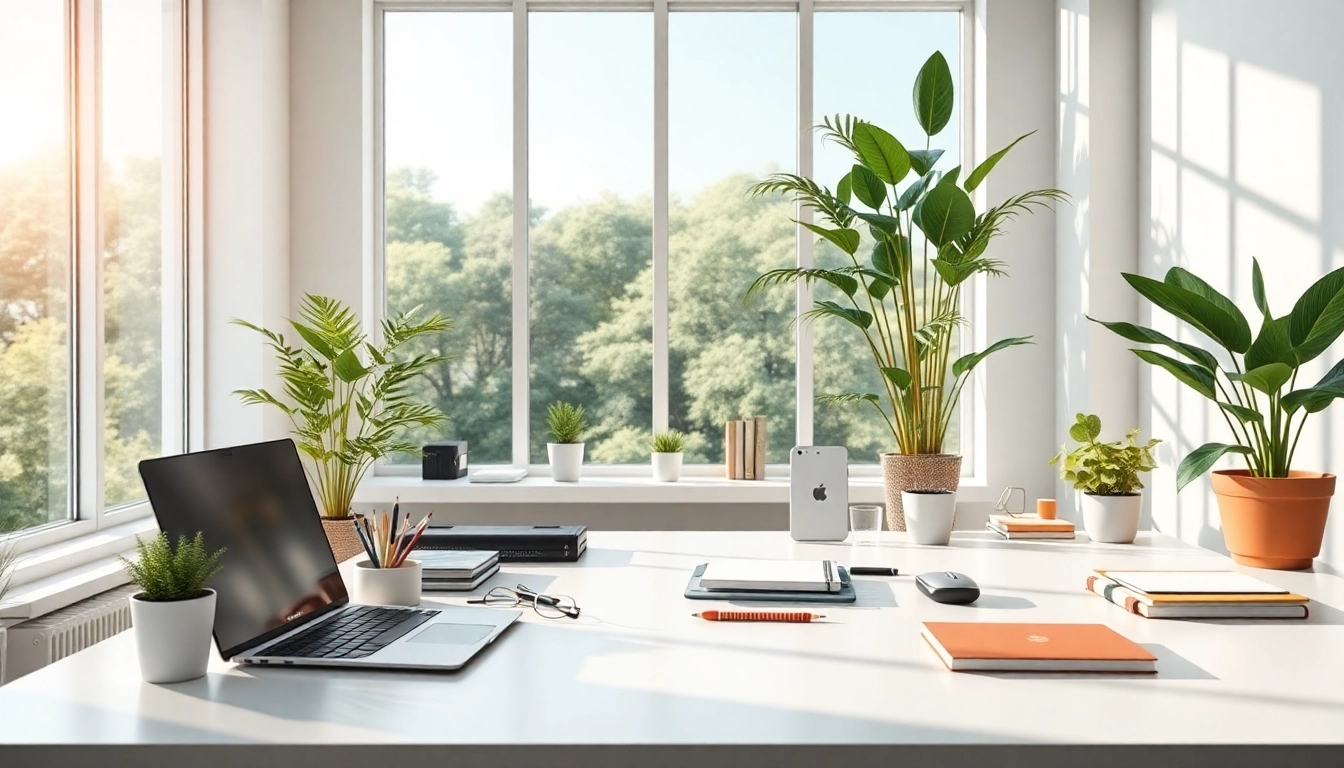
In today’s fast-paced world, home offices have become common for many professionals. The effectiveness of your workspace can significantly impact productivity and mental well-being. Understanding the art and science of organization is vital to transforming your home office into a sanctuary of productivity. Proper organization at https://amc-essentials.com/ enhances efficiency and encourages a calm and focused working environment.
Defining Your Space: What Organization Means
At its core, organization refers to the systematic arrangement of elements to optimize utility. In a home office context, it goes beyond mere tidiness; it encompasses the methodical placement of documents, supplies, and equipment to foster an efficient working process. An organized space allows for immediate access to required tools and resources, consequently minimizing distractions and augmenting focus.
Common Challenges in Home Offices
Despite the importance of organization, many face challenges when setting up their home offices. Common issues include:
- Space Constraints: Many home offices are cramped, leading to clutter.
- Distractions: Home environments often introduce various distractions that hinder productivity.
- Poor Layout: A layout that doesn’t support workflow can lead to inefficiencies.
- Lack of Tools: Without the right organizational tools, maintaining order can be difficult.
Benefits of a Well-Organized Environment
Creating a well-organized workspace provides numerous advantages:
- Increased Productivity: Less time spent searching for items means more time for completing tasks.
- Reduced Stress: An organized space alleviates the feeling of chaos and anxiety often associated with clutter.
- Enhanced Creativity: A clear environment often leads to clearer thinking and innovative ideas.
- Professionalism: An organized workspace presents a professional image for video calls or client meetings.
Must-Have Organizational Tools from https://amc-essentials.com/
Essential Office Supplies for Every Workspace
A well-stocked office provides the foundation for organization. Essential supplies include:
- Notebooks and Planners: Designate specific space for jotting down ideas and tasks.
- File Folders: Color-coded folders can help sort documents quickly.
- Stationery: Highlighters, pens, and sticky notes streamline note-taking and reminders.
- Desk Organizers: These keep smaller supplies accessible and tidy.
Digital Tools to Enhance Productivity
In addition to physical tools, digital solutions can significantly enhance organization:
- Project Management Software: Platforms like Trello or Asana help manage tasks effectively.
- Cloud Storage: Services like Google Drive or Dropbox ensure necessary documents are easily accessible.
- Time Management Apps: Tools like Toggl can track time spent on various tasks, promoting accountability.
Storage Solutions that Save Space
Space-saving storage solutions are crucial in small home offices. Consider these options:
- Vertical Shelving: Using wall space can free up floor space for more functionality.
- Under-desk Storage Drawers: Storing items under the desk minimizes clutter on top.
- Multi-functional Furniture: Desks with built-in storage help utilize space effectively.
Effective Strategies for Organization at https://amc-essentials.com/
Creating a Daily Organization Routine
Establishing a daily routine is crucial for maintaining organization. Here are some suggestions:
- Morning Setup: Spend a few minutes each morning organizing your workspace before starting your day.
- End-of-Day Clean Up: Dedicate the last 10 minutes of your workday to tidying up your space.
- Weekly Reviews: Set aside time weekly to reorganize supplies and reassess tools.
Implementing the 80/20 Rule in Your Workspace
The 80/20 rule (Pareto Principle) suggests that 80% of your results come from 20% of your efforts. Applying this to your workspace means identifying the most critical tasks and organizing your space to support them effectively.
Consider these steps:
- Identify Key Tasks: Determine which tasks yield the most significant results.
- Prioritize Resources: Place the most essential tools and documents within easy reach.
- Declutter Regularly: Regularly assess what items contribute to actual productivity and remove excess.
Strategies for Maintaining an Organized Space
Maintaining organization is an ongoing task. Here are best practices:
- Establish a ‘One-in, One-out’ Rule: Whenever you bring a new item into your office, remove an existing one.
- Review Regularly: Schedule periodic reviews of your organization system and make adjustments as necessary.
- Get Feedback: If working with a team, develop a system of feedback to create collective organization practices.
Case Studies: Successful Organization from https://amc-essentials.com/
Before and After: Transforming Your Space
Transforming your workspace can be visualized through case studies. Consider these examples:
A cluttered desk with piles of paper and scattered supplies transitioned into a well-organized environment with designated zones for tasks, clear file systems, and digital tools for efficiency. The results showed improved productivity, enhanced creativity, and reduced stress levels.
User Testimonials on Organizational Success
User experiences highlight the significance of organizational strategies:
Testimonials from individuals who applied systematic organization reveal a common theme of increased efficiency. Many noted that their performance improved as they harnessed better space utilization and productivity tools.
Lessons Learned: Mistakes to Avoid
During the organization journey, several pitfalls can occur. Avoid these common mistakes:
- Overcomplicating Systems: Simple systems are often more effective.
- Neglecting Digital Organization: A physical organization process needs to complement a digital strategy.
- Ignoring Personal Preferences: Everyone has unique preferences; tailor your organization to fit your style.
Future Trends in Workspace Organization at https://amc-essentials.com/
Embracing Minimalism: Less is More
Minimalism is a growing trend in home offices, emphasizing simplicity and functionality. By adopting a minimalist approach, individuals focus on essentials, leading to reduced clutter and enhanced concentration.
This approach allows for a workspace that promotes clarity and efficiency, aligning perfectly with the needs of today’s professionals.
Technology’s Role in Workspace Organization
Technology continues to shape workspace organization. Smart organizational tools, like IoT devices that sort and store documents, are emerging to streamline processes significantly.
These advancements make it easier for professionals to keep their spaces organized and reduce the time spent managing physical products.
Predictions for the Future of Office Organization
Looking ahead, the future of workspace organization may include even more integrated solutions combining both physical organization and digital elements. Anticipated advancements encompass:
- AI-Assisted Organization: AI will assist in space management, helping to create optimal layouts based on user habits.
- Virtual Reality Workspaces: Augmented and virtual reality could provide immersive environment management, allowing users to visualize and organize effectively.
- Health-Oriented Design: Emphasis will be placed on designing workspaces that promote wellness and mental clarity.
Frequently Asked Questions
How do I start organizing my home office?
Begin by decluttering, identifying essential items, and using effective tools such as organizers and storage solutions to create designated spaces.
What are some quick organization tips?
Utilize drawer organizers, label everything, maintain a daily clean-up routine, and implement a digital filing system for efficiency.
How often should I reorganize my office space?
Regularly review your organization system every few months to ensure it remains effective and suits your changing needs.
What type of storage is best for small spaces?
Vertical shelving, under-desk drawers, and multi-functional furniture are ideal for maximizing storage in small areas.
Can organization improve my productivity?
Yes, a well-organized workspace minimizes distractions, enhances focus, and promotes a positive working atmosphere, all contributing to increased productivity.