
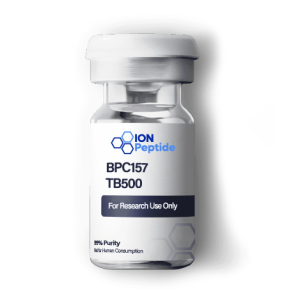
The Science Behind Research Peptides
Introduction to Peptides and Their Functions
Peptides are short chains of amino acids linked by peptide bonds, which play crucial roles in various biological functions. They can act as hormones, signaling molecules, or even as components of larger proteins. In recent years, research peptides like BPC157+TB500 have gained attention for their potential therapeutic benefits, especially in the fields of sports medicine and regenerative therapy.
How BPC157+TB500 Works in the Body
BPC157 and TB500 are two of the most studied peptides, known for their unique mechanisms of action. BPC157, deriving from a protein found in gastric juices, enhances healing and repair processes by promoting angiogenesis, the formation of new blood vessels. This process is vital for tissue recovery, especially after injuries. TB500, a synthetic version of the thymosin beta-4 peptide, influences cell migration, reducing inflammation and facilitating muscle regeneration. Together, BPC157 and TB500 create a synergistic environment that promotes faster and more effective healing.
Application of Peptides in Medicine
The applications of peptides in medicine are expansive. They are being researched for their potential in treating chronic conditions, serving as alternatives to traditional drugs with fewer side effects. From injuries to autoimmune diseases, peptides like BPC157 and TB500 show promise in accelerating recovery and improving overall health. Their holistic approach to healing also supports emerging fields such as personalized medicine and regenerative therapies.
Benefits of Using BPC157+TB500
Potential Healing Properties
BPC157 is renowned for its potential healing properties. Studies indicate that it may significantly enhance the healing of tendons, ligaments, muscles, and even bones. Its ability to repair tissues and accelerate recovery times positions it as a valuable asset for athletes and those recovering from surgeries. Moreover, its protective qualities help to lower the risk of re-injury during physical activities.
Support for Muscle Recovery
Muscle recovery is a critical aspect of athletic performance, and BPC157+TB500 can facilitate this process. Research indicates that these peptides can enhance muscle regeneration and function after stress or injury. TB500’s role in reducing inflammation complements BPC157’s healing capabilities, enabling quicker recovery from strenuous workouts or injuries. Athletes utilizing these peptides often report improved endurance and strength in subsequent training sessions.
Reduction of Inflammation and Pain
Chronic inflammation and pain can have debilitating effects on an individual’s quality of life. BPC157 and TB500 are believed to modulate inflammatory responses, thereby reducing pain and promoting faster healing. Their combined action allows for better management of inflammatory issues, making them an attractive option for those suffering from chronic pain conditions.
Administration and Dosage Guidelines
How to Properly Administer BPC157+TB500
Administering BPC157+TB500 correctly is essential for maximizing their benefits. Both peptides can be delivered via subcutaneous injection, often in the abdominal region. It’s crucial to follow sterile techniques to prevent infections and ensure proper absorption. Injections should be administered at the recommended sites to allow optimal efficacy while minimizing discomfort.
Dosage Recommendations for Different Needs
Dosage can vary depending on individual needs, goals, and specific conditions being addressed. General dosage guidelines suggest starting with lower doses, typically around 200-400 mcg per day, which can be adjusted based on response and tolerance. It’s advisable to consult healthcare professionals experienced with peptide therapy for tailored recommendations.
Risks and Side Effects of Peptide Usage
While BPC157+TB500 are generally considered safe, potential side effects can occur, including local irritation at the injection site or unwanted reactions in sensitive individuals. It is crucial for users to accurately evaluate their response to peptides and discontinue use if adverse effects arise. Regular monitoring and professional guidance can help mitigate risks associated with peptide administration.
Current Research and Future Directions
Latest Studies on BPC157+TB500
Recent studies on BPC157 and TB500 continue to uncover their diverse therapeutic potentials. Research showcases their efficacy in treating scars, enhancing muscle repair, and even possibilities in neuroprotection. By supporting cellular integrity and promoting healing at a molecular level, these peptides are prompting further exploration in various medical applications.
Potential for Broader Medical Applications
The potential applications of BPC157+TB500 extend beyond sports injuries and muscle recovery. Emerging findings suggest that these peptides could offer therapeutic benefits for conditions as diverse as cardiovascular health, neurological disorders, and chronic inflammation. As studies advance, the scope of peptide therapies may redefine treatment paradigms for various diseases.
Ethical Considerations in Research Peptide Use
As interest in research peptides grows, ethical considerations surrounding their use and distribution must be addressed. Issues related to misuse in sports, regulatory status, and long-term safety are paramount in discussions among researchers and policymakers. Establishing a foundation for ethical research and application of these compounds will be essential to ensure their responsible use in the future.
Consumer Insights and Market Trends
How to Choose Quality Peptide Products
Choosing high-quality peptides is critical for achieving desired outcomes and ensuring safety. Consumers should look for products that are transparently sourced, undergo rigorous testing for purity, and comply with industry standards. Reliable suppliers will provide documentation and certificates supporting their product’s claims, enabling informed purchasing decisions.
Consumer Awareness and Education
Consumer education remains fundamental in the peptide market, where misinformation can lead to harmful practices. Educating audiences on the benefits, risks, and proper use of peptides can empower them to make informed decisions. Reliable resources, peer-reviewed studies, and expert consultations can enhance understanding and promote safe usage practices.
Future Market Trends for Peptides
The peptide market is anticipated to grow significantly, driven by increasing awareness of health and wellness benefits. As more individuals seek alternatives to traditional medications, demand for peptides like BPC157+TB500 is likely to rise. Innovations in peptide synthesis and delivery methods will further enhance usability and effectiveness, paving the way for broader acceptance and applications.
Frequently Asked Questions
What is BPC157+TB500 used for?
BPC157+TB500 are used primarily for their potential to enhance healing, reduce inflammation, and support muscle recovery after injuries or strenuous exercises.
How do I store BPC157+TB500?
These peptides should be stored in a cool, dry place, ideally in a refrigerator once reconstituted, to maintain their stability and effectiveness.
Can BPC157+TB500 be used together?
Yes, combining BPC157 and TB500 can provide synergistic benefits for healing and recovery, optimizing their therapeutic effects.
Is a prescription required for BPC157+TB500?
In many regions, a prescription may not be required. However, it’s recommended to consult a healthcare professional prior to use for safety and guidance.
What are the side effects of BPC157+TB500?
Possible side effects can include local irritation at injection sites and rare reactions in sensitive individuals. Monitoring is advised when using peptides.