Understanding Shower Sliding Doors
What are Shower Sliding Doors?
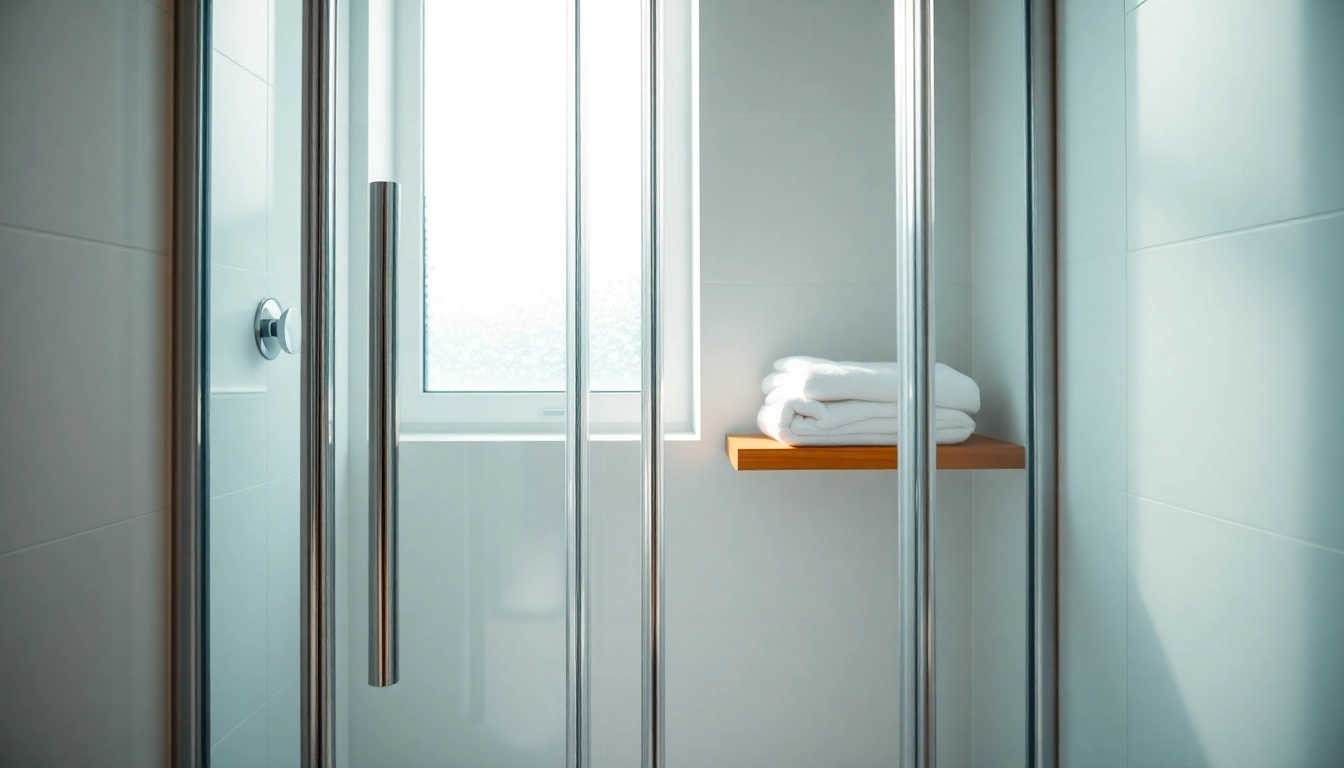
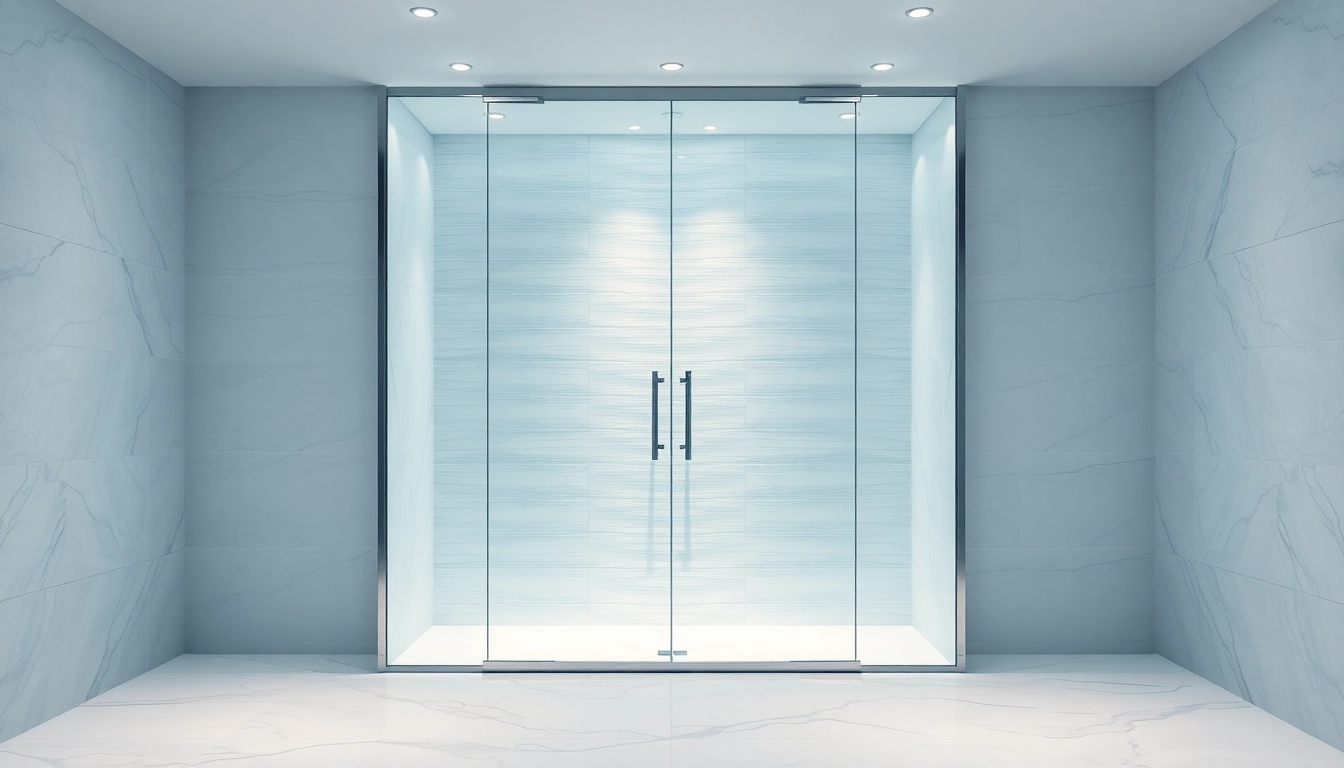
Shower sliding doors are an innovative solution designed to create a comfortable and seamless bathing experience. These doors consist of two or more glass panels that move horizontally, allowing easy access to the shower area without the need for swinging doors that require extra space. Their sleek design not only enhances the aesthetic of your bathroom but also maximizes the available space, making them an ideal choice for both small and large bathrooms. Among the many options for shower enclosures, shower sliding doors stand out for their functionality and elegance.
Types of Shower Sliding Doors
There are several types of shower sliding doors available in the market today, each offering unique features that cater to different needs and preferences. These include:
- Framed Sliding Doors: These doors feature a metal frame that supports the glass panels, providing durability and rigidity. They’re commonly used in standard shower setups.
- Frameless Sliding Doors: As the name suggests, these doors do not have a frame, offering a more modern, minimalist look. They also provide a cleaner aesthetic and can make spaces appear larger.
- Bypass Sliding Doors: This type includes two or more panels that glide past each other, allowing one or both sides of the shower to be opened, which is particularly useful for corner installations.
- Bi-Fold Sliding Doors: These doors fold inward on a track, which is ideal for smaller spaces where a swinging door might not work.
Key Benefits of Shower Sliding Doors
Choosing shower sliding doors for your bathroom comes with numerous advantages:
- Space-Saving: The sliding mechanism eliminates the need for door swing clearance, making them perfect for compact bathrooms.
- Enhanced Accessibility: With smooth sliding motion, these doors offer easy entry and exit, making them suitable for individuals of all ages and mobility levels.
- Stylish Design: Available in various materials and finishes, shower sliding doors can complement any bathroom style, from modern to traditional.
- Low Maintenance: Made from glass, these doors are easy to clean and maintain, helping to keep your bathroom looking fresh.
- Natural Light Entry: Large glass panels allow natural light to flood into the shower space, enhancing brightness and openness.
Choosing the Right Shower Sliding Doors
Considerations for Space and Layout
Before selecting shower sliding doors, consider your bathroom’s dimensions and layout. Measure the space where the doors will be installed to ensure they fit correctly. Take into account the swing space required by any adjacent fixtures, like sinks or toilets. It’s also important to decide on the door’s opening direction, especially in smaller bathrooms where maximizing space is critical.
Materials Used in Shower Sliding Doors
Shower sliding doors come in various materials, each providing specific benefits. Glass is the most common option, available in clear, frosted, or tinted varieties:
- Tempered Glass: This safety glass can withstand temperature changes and is less likely to break. It’s also resistant to scratches and offers a sleek finish.
- Acrylic & Polycarbonate: These plastic materials are lightweight and shatter-resistant but may scratch more easily than glass, requiring more frequent replacement.
- Metal Frames: Typically made from aluminum or stainless steel, frames add strength and durability to the setup. The finish can enhance the overall aesthetic of the bathroom.
Design Elements to Enhance Your Bathroom
The design of shower sliding doors can significantly change the overall look of your bathroom. Consider the following elements:
- Hardware Finish: Choose from chrome, brushed nickel, or oil-rubbed bronze to match or contrast with existing fixtures.
- Glass Texture: Frosted or patterned glass can provide privacy while still looking elegant.
- Track System: The type of track can influence usability and design; minimalist tracks can contribute to a modern look.
Installation Process for Shower Sliding Doors
Preparation Steps Before Installation
Installing shower sliding doors requires careful planning and preparation. Here are essential steps to follow:
- Measure the Opening: Ensure accurate dimensions for the shower space to prevent any installation issues.
- Gather Tools: Common tools include a drill, level, measuring tape, screwdriver, and silicone sealant.
- Read Instructions: Always consult the manufacturer’s instructions for specific guidance related to your selected model.
Common Mistakes to Avoid
To ensure a successful installation, be mindful of these common pitfalls:
- Poor Measurements: Double-check all measurements to avoid improper fitting.
- Neglecting Sealant: Properly sealing the edges during installation prevents leaks and water damage.
- Ignoring Wall Studs: Make sure to anchor into wall studs to provide adequate support for the sliding doors.
Tools and Materials Needed
A successful shower sliding door installation requires specific tools and materials, including:
- Measuring tape
- Power drill
- Screwdriver
- Level
- Silicone sealant
- Brackets and anchors (included in most kits)
Maintenance and Care for Shower Sliding Doors
Regular Cleaning Tips
To maintain the beauty and functionality of your shower sliding doors, establish a consistent cleaning routine:
- Use a squeegee after each shower to remove water and prevent water spots.
- Regularly clean glass surfaces with a mixture of vinegar and water to prevent soap scum buildup.
- Avoid abrasive cleaners, which can scratch the surface and damage the finish.
Dealing with Common Issues
Over time, shower sliding doors may encounter several issues, including:
- Stuck Doors: If the doors become difficult to slide, check for dirt and debris in the track and clean accordingly.
- Water Leaks: Regularly check seals and caulk for any wear or damage, and replace if necessary.
- Scratches and Hazing: Use a glass polish to restore the finish of scratched glass panels.
Enhancing Longevity of Your Shower Sliding Doors
To ensure your shower sliding doors last as long as possible, consider these tips:
- Regularly inspect and maintain the rolling mechanisms to ensure smooth operation.
- Avoid harsh chemicals that can damage seals and gaskets.
- Ensure proper ventilation in your bathroom to prevent mold and moisture buildup on and around the doors.
Frequently Asked Questions
What are the advantages of shower sliding doors over traditional doors?
Shower sliding doors are space-efficient, allowing easy access without requiring clearance for swinging. They are stylish and versatile, fitting into various bathroom designs seamlessly.
How do I clean shower sliding doors effectively?
For best results, use a squeegee after use, and clean with a mix of vinegar and water weekly to prevent soap scum. Avoid abrasive cleaners to maintain the door’s finish.
Can I install shower sliding doors myself?
Yes, many homeowners can install shower sliding doors with basic tools and some DIY knowledge. Following manufacturer instructions and taking accurate measurements is critical.
What materials are best for shower sliding doors?
Tempered glass is ideal for its durability and safety. Framed options provide strength, while frameless designs enhance aesthetics. Acrylic may be lighter but less durable.
How can I prevent mold build-up on my shower sliding doors?
To prevent mold, ensure proper ventilation, clean surfaces regularly, and wipe down doors post-shower to remove moisture, thus reducing mold growth risk.