Understanding the Role of a Typing Center
Definition and Purpose
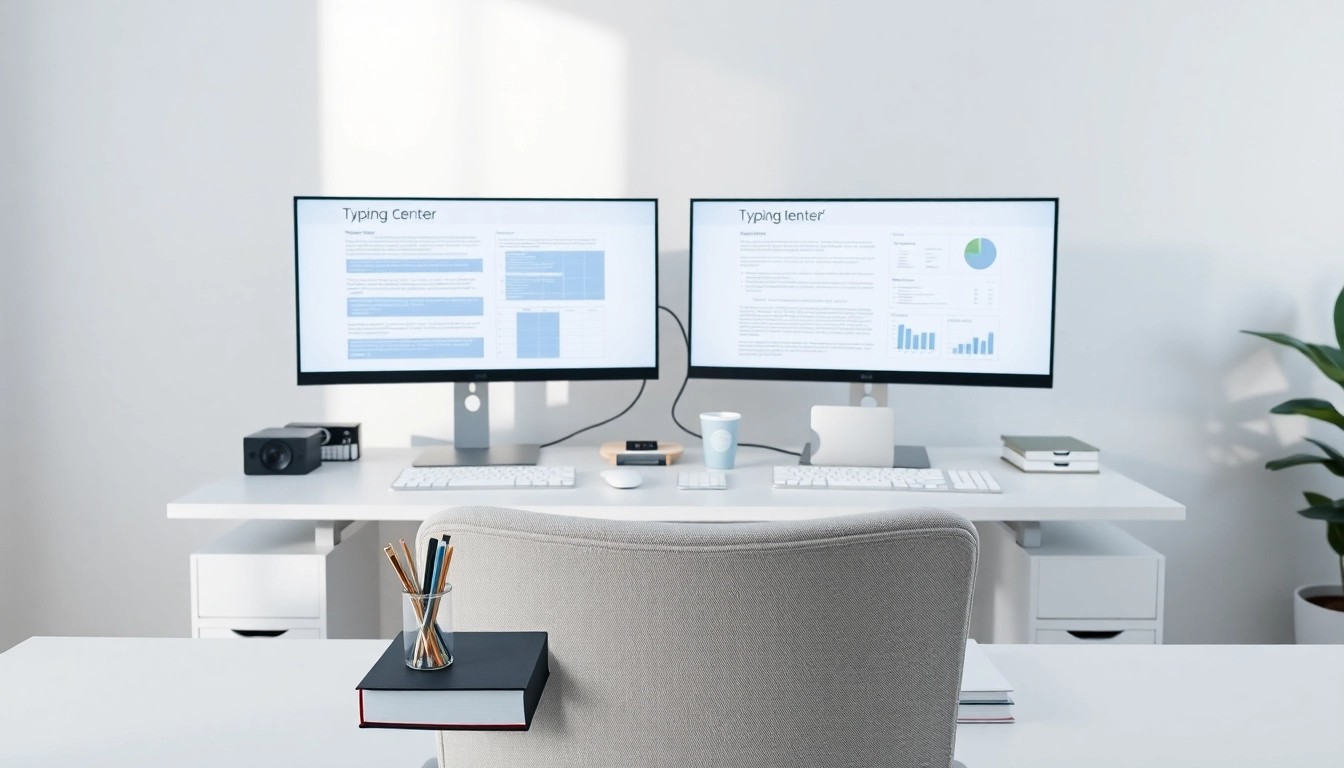
A Typing Center is a professional service that specializes in transcribing written and verbal content into digital formats. The primary purpose of a typing center is to facilitate efficient document creation and management for individual clients and businesses, allowing users to focus on their core tasks without being bogged down by tedious typing work. This is particularly beneficial for professionals who require high volumes of documentation but may lack the time or resources to complete these tasks in-house.
Benefits of Using a Typing Center
The advantages of utilizing a typing center extend far beyond just saving time. Here are some key benefits:
- Time Efficiency: Outsourcing typing tasks allows individuals and organizations to allocate their time to more strategic activities.
- Cost-Effectiveness: Hiring a typing center can be more economical than employing full-time staff for temporary needs.
- Expertise: Experienced typists ensure high levels of accuracy and speed, enhancing the overall quality of output.
- Confidentiality: Reputable typing centers are equipped with protocols to protect sensitive information, fostering trust.
- Scalability: Businesses can easily adjust the volume of services as needed, accommodating fluctuating workloads.
Common Services Offered
Typing centers typically provide a variety of services, including:
- Document Typing: Transcribing letters, reports, and other written materials.
- Data Entry: Inputting data into spreadsheets and databases efficiently.
- Transcription Services: Converting audio and video recordings into text.
- Proofreading and Editing: Offering quality checks and revisions of existing documents.
- Formatting Services: Ensuring documents adhere to specific style guidelines or templates.
Choosing the Right Typing Center for Your Needs
Factors to Consider
Selecting the appropriate typing center requires careful consideration of several factors. These include:
- Expertise and Specialization: Determine if the center specializes in the type of documents you need, such as legal or medical transcription.
- Turnaround Time: Evaluate the center’s ability to deliver work within your required timeframe.
- Pricing Structure: Understand the cost of services and check whether they fit within your budget.
- Customer Service: Look for centers that offer responsive communication and support, as this can ease the collaboration process.
Assessing Quality and Reliability
To ensure that you partner with a reliable typing center, consider conducting the following assessments:
- Sample Work: Request sample outputs to judge the quality of their work and verify consistency.
- Certifications: Examine whether they hold industry-specific certifications that validate their expertise.
- Client Retention: Consider their client history; a high retention rate typically indicates reliability.
Client Testimonials and Reviews
Client testimonials and online reviews are invaluable resources when assessing a typing center’s credibility. Real feedback from past clients can provide insights into:
- Service Quality: Gauge overall satisfaction with the precision and turnaround time.
- Experience: Understand how easily clients can communicate and collaborate with the typing center.
- Problem Resolution: Evaluate how effectively the center resolves issues when they arise.
Best Practices for Utilizing a Typing Center
Effective Communication
Clear communication is paramount when working with a typing center. To ensure successful collaboration, implement the following practices:
- Detailed Instructions: Provide comprehensive guidelines and any specific requirements for the documents.
- Regular Updates: Establish a communication cadence to receive progress updates and feedback.
- Feedback Mechanism: Create a process for offering feedback on drafts or completed work to refine future results.
Setting Clear Expectations
Defining expectations upfront can significantly enhance the partnership experience. Consider the following steps:
- Define Objectives: Clearly outline what you aim to achieve through your engagement.
- Discuss Timelines: Specify deadlines and ensure they align with the center’s capabilities.
- Outline Revisions Policy: Clarify how revisions will be handled to avoid misunderstandings later on.
Collaboration Tools and Technologies
Utilizing modern collaboration tools can streamline your interactions with a typing center. Explore the following options:
- Cloud Storage Solutions: Use platforms like Google Drive for easy sharing of documents and resources.
- Project Management Tools: Employ tools like Trello or Asana for tracking project timelines and tasks.
- Communication Platforms: Consider using Slack or Microsoft Teams for instant communication and updates.
Challenges Faced by Typing Centers
Maintaining Accuracy and Consistency
One of the foremost challenges for typing centers is ensuring accuracy in transcription and typing work. To mitigate errors, centers can employ:
- Quality Assurance Protocols: Implement multiple quality checks, including peer reviews and proofreading.
- Training Programs: Invest in ongoing training for typists to keep skills sharp and updated.
- Utilization of Technology: Utilize software tools to assist in error detection, such as grammar checkers and spell-checkers.
Handling Confidential Information
Handling sensitive data poses significant concerns. Typing centers must establish robust protocols to protect client confidentiality:
- Non-Disclosure Agreements: Have clients sign NDAs to legally protect sensitive information shared with the center.
- Data Encryption: Employ encryption technologies to safeguard data during transmission.
- Employee Training: Ensure staff is trained in confidentiality practices and protocols to minimize data exposure risks.
Adapting to Client Needs
Clients often have unique needs, making flexibility essential for typing centers. Strategies to enhance adaptability include:
- Customizable Services: Offer tailored packages that allow clients to choose services that best meet their requirements.
- Soliciting Feedback: Regularly capture client feedback to identify areas for improvement and adjust services accordingly.
- Staying Informed: Remain updated on industry trends and client expectations to proactively adapt services.
Future Trends in Typing Centers
Technological Advancements
Technology is continuously evolving, and typing centers must stay ahead of the curve. Future advancements may include:
- AI and Automation: Leveraging artificial intelligence for transcription processes to improve speed and efficiency.
- Voice Recognition Software: Incorporating voice-to-text technologies that can help in transcription projects.
- Cloud Technologies: Utilizing cloud-based solutions for real-time collaboration between clients and typists.
Shifts in Market Demand
As businesses continue to evolve, so will the demand for typing services. Key shifts to anticipate include:
- Increased Outsourcing: Organizations are increasingly recognizing the benefits of outsourcing non-core tasks like typing, leading to higher demand for typing centers.
- Diverse Clientele: More diverse industries are seeking typing services, resulting in a broader customer base.
- Focus on Customer Experience: Clients will expect enhanced service quality and more personalized interactions.
Expanding Service Offerings
To remain competitive, typing centers may need to diversify their service portfolios. Potential expansions could involve:
- Multilingual Services: Offering typing services in multiple languages to cater to a global audience.
- Specialized Documentation: Focusing on niche markets such as legal, medical, or technical documentation for specific industries.
- Consultation Services: Providing consultations on best practices for effective documentation management.
FAQs
1. What is a typing center?
A typing center is a professional service specializing in transcribing written and spoken content into digital formats, helping individuals and businesses manage documentation efficiently.
2. How can I choose the right typing center?
Consider factors such as expertise, turnaround time, pricing, quality assessments, and client testimonials when choosing the right typing center for your needs.
3. What types of services do typing centers offer?
Common services include document typing, data entry, transcription, proofreading, and formatting services tailored to clients’ specific needs.
4. How do typing centers maintain confidentiality?
Reputable typing centers use non-disclosure agreements, data encryption, and employee training to ensure the confidentiality and protection of sensitive client information.
5. What trends are shaping the future of typing centers?
Future trends include technological advancements like AI, shifts in market demand for outsourcing tasks, and the expansion of service offerings to cater to diverse client needs.